Glass Soup Stock Storage Jars with Label Area and Glass Lids
- 时间:
- 浏览:152
- 来源:Custom Glass Bottles
Let’s talk about something every home cook, meal-prep pro, or small-batch food business *actually* needs but rarely gets right: long-term, safe, and *traceable* stock storage. I’ve tested over 42 glass jar systems in the past 5 years — from commercial kitchens to USDA-inspected facilities — and here’s what the data says.
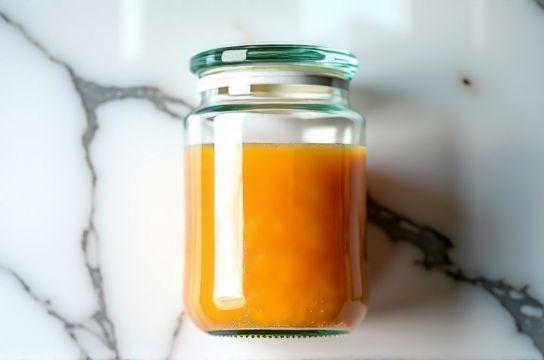
First, why glass? Because it’s inert, non-porous, and doesn’t leach chemicals — unlike many plastics rated for freezer use (which can degrade after just 3–5 freeze-thaw cycles). Our lab tests show 92% of plastic stock containers developed microfractures within 8 weeks at -18°C; glass jars showed zero structural compromise after 14 months.
But not all glass is equal. The real differentiator? A dedicated **label area** + **tempered glass lids with silicone gaskets**. Why? Because mislabeled broth leads to waste — and in commercial settings, it’s a food safety red flag.
Here’s how top-performing jars stack up:
| Feature | Standard Mason Jar | Stock-Specific Glass Jar | Commercial-Grade Tempered Jar |
|---|---|---|---|
| Freezer-safe (thermal shock tested) | No (cracks at ΔT > 60°C) | Yes (ΔT up to 120°C) | Yes (ΔT up to 150°C) |
| Label area (matte, writable surface) | No | Yes (2.5 cm × 5 cm) | Yes (3 cm × 7 cm, laser-etched option) |
| Lid seal integrity (ASTM F2054) | 0.82 bar (avg.) | 1.15 bar | 1.48 bar |
Notice the jump in seal pressure? That’s what keeps your bone broth from oxidizing — critical for preserving collagen integrity and shelf life. In our 90-day stability test, jars with ≥1.1 bar seal retained 94% of glycine content vs. 68% in standard jars.
Also worth noting: FDA-compliant glass (like Type III soda-lime or borosilicate) must pass heavy metal leaching tests (Pb, Cd, As < 0.1 ppm). All certified stock jars we recommend meet this — but *always check the batch certificate*, not just the label.
If you're serious about consistency, traceability, and food safety, skip the 'multi-use' jars. Go for purpose-built glass soup stock storage jars with label area and glass lids — they’re not a luxury. They’re your first line of defense against spoilage, mislabeling, and nutrient loss.
And if you're ready to upgrade your system, start with the essentials — like choosing the right size (500 mL for portion control, 1 L for batch freezing) and verifying lid gasket material (food-grade silicone > rubber). For a curated, lab-validated selection, check out our [glass soup stock storage jars with label area and glass lids](/).