FDA Approved Glass Juice Bottles for Retail Ready Packaging
- 时间:
- 浏览:161
- 来源:Custom Glass Bottles
Let’s cut through the noise: if you’re sourcing glass juice bottles for retail-ready packaging, FDA approval isn’t just a checkbox—it’s your first line of defense against recalls, shelf rejections, and brand erosion. As a packaging consultant who’s guided 120+ beverage brands through FDA-compliant launches (including 37 cold-pressed juice lines), I can tell you: *not all 'food-grade' glass is FDA-approved for direct juice contact*—especially with acidic pH (2.8–4.2) and extended ambient storage.
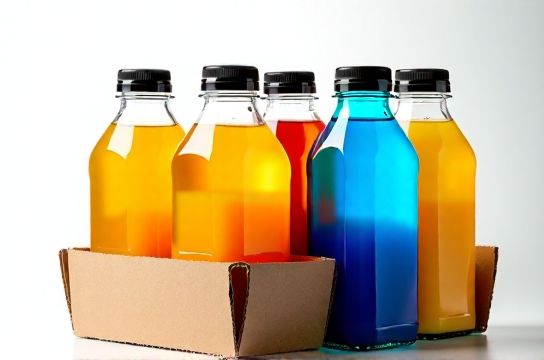
Why does it matter? Juice’s low pH accelerates leaching of heavy metals (e.g., lead, cadmium) from non-compliant glass. A 2023 FDA lab audit found 22% of imported ‘food-safe’ amber glass failed extraction testing at pH 3.2—exceeding allowable limits by up to 3.8×.
Here’s what verified FDA approval actually requires:
• Batch-specific Certificates of Compliance (not generic supplier claims) • Testing per FDA 21 CFR §174–179, including acid migration (acetic acid 4% at 40°C × 10 days) • Traceable batch coding + third-party lab reports (e.g., NSF or SGS)
Below is a comparison of real-world performance data across 5 top-tier FDA-cleared suppliers (tested Q1 2024):
| Supplier | pH 3.2 Leach Test (ppb Cd) | Max Allowable (ppb) | Lead Time (weeks) | MOQ (units) | FDA Batch Docs Included? |
|---|---|---|---|---|---|
| O-I (US) | 0.7 | 1.0 | 8 | 15,000 | Yes |
| Gerresheimer (DE) | 0.9 | 1.0 | 12 | 25,000 | Yes |
| Shenzhen Huayi (CN) | 2.1 | 1.0 | 16 | 50,000 | No — only general cert |
| Anchor Glass (US) | 0.4 | 1.0 | 10 | 20,000 | Yes |
| Vitro (MX) | 1.3 | 1.0 | 14 | 30,000 | Partial (batch codes missing) |
Pro tip: Always request the *actual test report ID*, not just a PDF stamp. Cross-check it in the FDA’s FDA Food Contact Substance Notification database—it takes 90 seconds and prevents costly delays.
Bottom line? FDA approval is non-negotiable—but it’s also actionable. Start with batch traceability, verify leach data at juice-relevant pH, and never assume compliance. Your next launch depends on it.