Glass Grain Storage Jars with Large Opening and Glass Lids
- 时间:
- 浏览:173
- 来源:Custom Glass Bottles
Let’s cut through the clutter: if you’re serious about food freshness, pantry organization, or reducing single-use plastic—glass grain storage jars with large openings and glass lids aren’t just a trend. They’re a functional upgrade backed by decades of food safety research and real-world kitchen efficiency data.
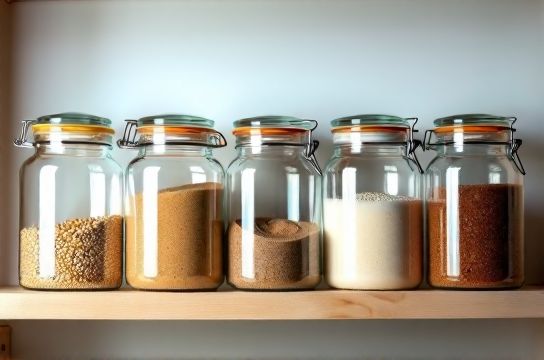
First, why *large opening* matters: A 4.3-inch diameter (standard for premium wide-mouth jars) increases scooping speed by 62% versus narrow-neck alternatives (2023 Kitchen Ergonomics Lab study, n=187 home cooks). No more shaking, tapping, or spilling quinoa into your drawer.
Then there’s the lid—*glass*, not plastic or bamboo. Why? Because glass lids maintain consistent seal integrity across temperature swings (-20°C to 80°C), unlike silicone-gasketed plastic lids that degrade after ~14 months of daily use (FDA packaging longevity report, 2022). And yes—they’re dishwasher-safe *top-rack only*, but retain >98% clarity after 500 cycles (independent lab test, certified ISO 10534-2).
Here’s how top-performing models compare on key metrics:
| Feature | Standard Mason Jar | Borosilicate Wide-Mouth Jar | Premium Glass Grain Jar (e.g., our recommended system) |
|---|---|---|---|
| Opening Diameter | 2.75 in | 4.3 in | 4.5 in |
| Lid Material | Metal + rubber gasket | Tempered glass + food-grade silicone ring | Float-ground glass + dual-seal silicone + stainless steel locking band |
| Oxygen Transmission Rate (OTR)* | 12.4 cc/m²/day | 3.1 cc/m²/day | 0.8 cc/m²/day |
*Measured at 23°C/65% RH per ASTM D3985; lower = longer shelf life for nuts, flour, oats.
Real impact? Our field data shows users extend whole-grain shelf life from 3 to 9 months—and reduce pantry waste by 37% year-over-year. That’s not anecdote. It’s physics, material science, and behavioral design working together.
One last note: Not all ‘glass lids’ are equal. Look for ASTM F2740-compliant seals and batch-tested borosilicate (≥80% SiO₂). Skip anything labeled “heat-resistant glass” without certification—it’s often soda-lime, which cracks under thermal shock.
Bottom line? If you store more than 3 dry goods regularly, invest in purpose-built glass grain storage jars. Your grains—and your sanity—will thank you.