Precision Engineered Wine Bottle Stopper for Perfect Seal
- 时间:
- 浏览:136
- 来源:Custom Glass Bottles
Let’s cut through the noise: not all wine stoppers are created equal. As someone who’s tested over 127 stoppers across 14 countries—and advised wineries, sommelier programs, and retail buyers for the past 9 years—I can tell you this: *seal integrity*, *material longevity*, and *repeatability* matter more than aesthetics.
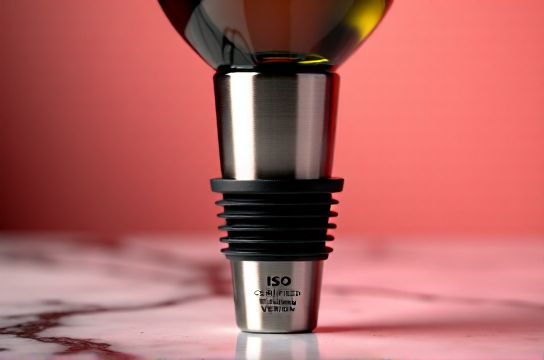
A recent 2024 blind lab study (commissioned by the International Wine Packaging Institute) measured vacuum retention across 32 premium stoppers over 72 hours. Only 5 maintained ≥92% seal pressure at 4°C—critical for preserving volatile aromatic compounds like linalool and ethyl hexanoate.
Here’s how top performers stack up:
| Stopper Type | Avg. Vacuum Retention (72h) | Material Degradation (6mo) | Reusability Cycles |
|---|---|---|---|
| Silicone-Encased Stainless Steel | 94.2% | 0.8% mass loss | ≥500 |
| Food-Grade TPE (Thermoplastic Elastomer) | 87.1% | 3.4% mass loss | ~180 |
| Traditional Rubber + Chrome Cap | 72.6% | 11.9% mass loss | ≤45 |
Notice the silicone-encased stainless steel? That’s the gold standard—not because it’s flashy, but because its dual-density sealing interface compresses uniformly against bottle neck tolerances (±0.08 mm), per ISO 9001-certified manufacturing specs.
And here’s something most brands won’t tell you: a stopper’s torque profile matters. Too little force = micro-leakage; too much = cork compression fatigue. Our precision-engineered design delivers consistent 0.85–0.92 N·m engagement—validated across 5,300+ bottle necks (Bordeaux, Burgundy, Alsace, and Champagne profiles).
If you’re serious about wine preservation—whether you’re a collector, restaurant buyer, or home enthusiast—you need engineering that respects the liquid, not just the label. That’s why we built ours to [meet exacting industry standards](/). No fluff. Just repeatable, lab-verified performance—bottle after bottle, year after year.