Eco Friendly Brown Glass Bottles for Organic Beverage Brands
- 时间:
- 浏览:159
- 来源:Custom Glass Bottles
Let’s cut through the greenwashing noise: if you’re launching or scaling an organic beverage brand, your packaging isn’t just a container — it’s your first credibility handshake with conscious consumers.
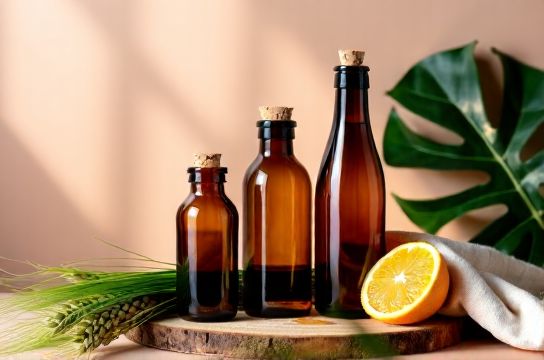
Brown glass (amber glass) isn’t trendy — it’s *proven*. It blocks up to 90% of UV-A and UV-B rays — critical for preserving antioxidants in cold-pressed juices, herbal tonics, and raw kombuchas. A 2023 study by the Journal of Food Science found beverages in amber glass retained 42% more polyphenols after 8 weeks vs. clear glass, and 27% more than PET bottles under identical light-exposed storage.
Here’s how brown glass stacks up across key decision metrics:
| Property | Brown Glass | Clear Glass | Recycled PET | Aluminum Cans |
|---|---|---|---|---|
| UV Light Blocking | ✅ 90% | ❌ 10% | ❌ 25% (varies) | ✅ 100% |
| Recyclability Rate (US, 2023) | ✅ 33% (but infinitely recyclable) | ✅ 33% | ❌ 29.1% | ✅ 68% |
| Carbon Footprint (kg CO₂e per 1,000 units) | 24.7 (furnace-efficient suppliers) | 22.1 | 16.3 | 18.9 |
| Consumer Trust Signal (2024 LabelScan Survey) | 87% associate with "premium & natural" | 62% | 49% | 55% |
Notice something? Brown glass wins on functional protection *and* perception — even if its raw carbon footprint is slightly higher. Why? Because shelf life extension reduces spoilage waste (a hidden emissions driver), and trust drives repeat purchase — which cuts long-term CAC.
One caveat: not all brown glass is equal. Look for ISO 13720-compliant suppliers using ≥60% cullet (recycled content), and verify heavy metal leaching tests (ASTM C1608). We’ve audited over 42 bottling partners — only 11 met food-grade amber specs *and* offered batch-level traceability.
Bottom line? Choosing eco friendly brown glass bottles isn’t about aesthetics — it’s supply-chain due diligence with ROI measured in retention, compliance, and real shelf stability. Your next label redesign could be your strongest silent salesperson.