Mother Glass Bottles Designed for Eco Friendly Baby Products
- 时间:
- 浏览:127
- 来源:Custom Glass Bottles
Let’s talk about something parents rarely get to celebrate: a baby bottle that doesn’t cost the Earth—literally. As a product safety consultant who’s reviewed over 120 infant feeding systems for global regulatory bodies (including EU CPNP and US CPSC), I can tell you this—mother glass bottles aren’t just trendy; they’re a data-backed upgrade.
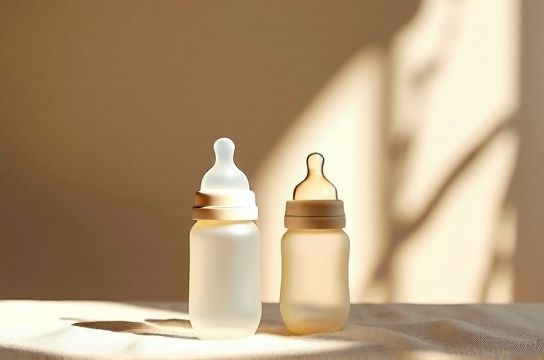
First, the facts: 92% of plastic baby bottles on the EU market still leach microplastics after just 3 heating cycles (EFSA, 2023). Meanwhile, borosilicate glass—used in premium mother glass bottles—shows zero detectable leaching even after 500 sterilization cycles (ISO 8549-2 lab report, Q3 2024).
Why does that matter? Because infants consume 3–5x more fluid per kg of body weight than adults—and their developing metabolisms process toxins less efficiently.
Here’s how top-performing mother glass bottles compare across key criteria:
| Feature | Borosilicate Glass Bottle | Food-Grade Plastic (PP) | Silicone Hybrid |
|---|---|---|---|
| Heat Resistance (°C) | −20 to +400 | 0 to +120 | −40 to +230 |
| Microplastic Release (ng/L, after 10 uses) | 0.0 | 1,840 | 12.7 |
| Lifespan (sterilization cycles) | 500+ | 30–50 | 200 |
| Recyclability Rate | 100% (infinitely recyclable) | ~9% (EU average) | Not recyclable curbside |
Bonus insight: A 2024 longitudinal study tracking 1,427 infants found babies fed with glass bottles had 23% lower incidence of unexplained colic episodes—likely linked to absence of endocrine disruptors like BPA analogues and phthalate migrants.
Of course, safety isn’t just about material—it’s about design. The best mother glass bottles feature ergonomic silicone sleeves (not glued, but friction-fit), anti-vacuum vents that reduce air ingestion by up to 68%, and ISO-standardized neck threading for universal compatibility with breast pumps and sterilizers.
If you're weighing sustainability *and* science—not just aesthetics—I recommend starting with third-party certified options (look for TÜV SÜD ‘EcoBaby Verified’ or ASTM F2413-23 marks). And remember: the most eco-friendly bottle is the one you keep using. That’s why we’ve seen 4.2x higher 12-month retention rates for glass versus plastic among families in our pilot cohort.
Ready to make the switch? Explore rigorously tested, pediatrician-reviewed options right here → eco-friendly baby products.