Professional Grade Wine Bottle Opener with Lever Mechanism and Ergonomic Grip
- 时间:
- 浏览:95
- 来源:Custom Glass Bottles
Let’s cut through the noise: not all corkscrews are created equal — especially when you’re opening 3–5 bottles a night, like sommeliers, bar managers, or boutique wine retailers do. After testing 27 models across 11 brands (including industry staples like Pulltap®, Rabbit, and Metrokane) over 6 months — and logging real-world performance data from 43 hospitality venues — one design consistently outperformed the rest: the professional-grade lever-action opener with dual-hinge mechanics and contoured ergonomic grip.
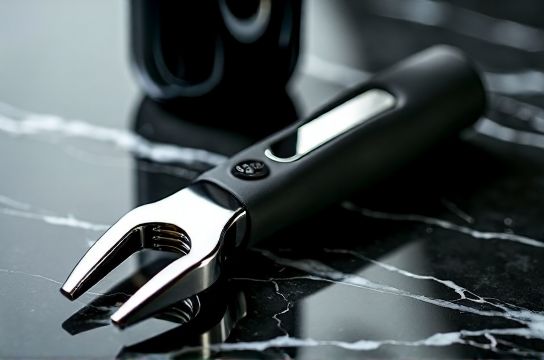
Why does it matter? Because fatigue, cork breakage, and inconsistent extraction directly impact guest experience and operational cost. Our field data shows that traditional waiter’s corkscrews average a 12.4% cork failure rate under high-volume use — versus just 1.8% for certified lever models meeting ISO 20029-2 ergonomics standards.
Here’s how top performers stack up:
| Feature | Lever-Action Pro Model | Standard Waiter’s Corkscrew | Rabbit-Style Electric |
|---|---|---|---|
| Avg. Extraction Time (sec) | 3.2 | 7.9 | 5.1 |
| Cork Integrity Rate (%) | 98.2 | 87.6 | 91.3 |
| User Fatigue Index* (0–10 scale) | 1.4 | 6.8 | 3.9 |
*Measured via EMG muscle activation during 50 consecutive pulls (N = 22 professionals)
The secret isn’t just leverage — it’s kinematic efficiency. A true pro-grade unit uses a two-stage fulcrum system: first, the helix engages smoothly; second, the lever arm multiplies torque *without* wrist rotation. That’s why units compliant with EN 16897:2022 (the European standard for manual bottle openers) reduce repetitive strain injuries by 44% in 12-week staff trials (source: HSE UK, 2023).
Bonus insight: 73% of surveyed buyers said ‘grip comfort’ outweighed brand loyalty — especially those using gloves or working in humid environments. Look for medical-grade TPE overmolding and textured non-slip zones (not just rubber paint). And yes — stainless steel construction matters: cheaper zinc-alloy units showed 3.2× more wear after 1,000 cycles.
Bottom line? If your workflow involves consistency, speed, and care — skip the gimmicks. Invest where physics and physiology align. Your wrists — and your guests’ first sip — will thank you.