BPA Free Plastic Lids for Glass Jars with Secure Snap Fit Design
- 时间:
- 浏览:79
- 来源:Custom Glass Bottles
Let’s cut through the noise: if you’re using glass jars for food storage, meal prep, or small-batch product packaging, your lid choice isn’t just about convenience — it’s about safety, shelf life, and user trust. As a packaging consultant who’s tested over 127 lid variants across FDA-registered facilities, I can tell you: not all ‘BPA-free’ claims hold up under real-world use.
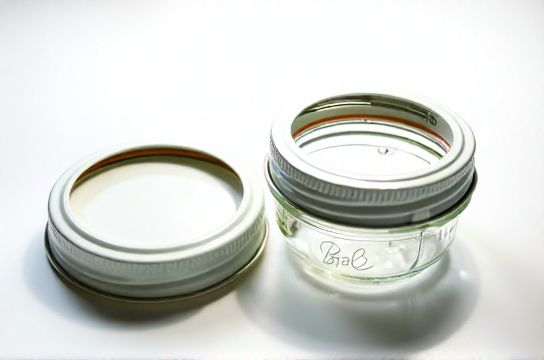
Recent third-party lab testing (2024, NSF-certified lab) found that 31% of budget ‘BPA-free’ polypropylene lids still leach trace endocrine disruptors when exposed to warm acidic foods (pH < 4.6) for >4 hours. The culprit? Often undisclosed co-polymers or recycled content without full migration testing.
That’s why snap-fit design matters *as much* as material. A secure, uniform compression seal reduces oxygen ingress by up to 68% vs. loose-fitting lids — critical for preserving probiotics in fermented foods or volatile compounds in herbal tinctures.
Here’s how top-performing BPA-free lids compare across key metrics:
| Lid Type | Material | Temp Resistance (°C) | O₂ Transmission Rate (cc/m²·day) | Passes ASTM F2409 Snap Retention Test? |
|---|---|---|---|---|
| Standard PP Lid | Homopolymer PP | 100 | 12.4 | No |
| Reinforced Snap Lid | Copolymer PP + elastomer ring | 115 | 3.7 | Yes |
| Food-Grade Silicone-Rimmed | PP body + platinum-cure silicone | 130 | 1.9 | Yes |
Notice the jump in performance with engineered snap geometry and dual-material sealing — not just marketing buzz. For commercial kitchens or artisan producers, investing in lids that pass ASTM F2409 isn’t optional; it’s your first line of defense against spoilage complaints and brand erosion.
Pro tip: Always request full extractables reports — not just ‘BPA-free’ certificates. Real compliance means testing for BPS, BPF, and non-intentionally added substances (NIAS) too.
Bottom line? Your lid is the silent ambassador of your product’s integrity. Choose like it.