Medical Grade Amber Glass Dropper Bottles for Juice Supplement Drops
- 时间:
- 浏览:152
- 来源:Custom Glass Bottles
Let’s cut through the noise: if you’re bottling juice-based supplements—think vitamin C serums, CBD tinctures, or herbal extracts—the container isn’t just packaging. It’s your first line of defense against degradation.
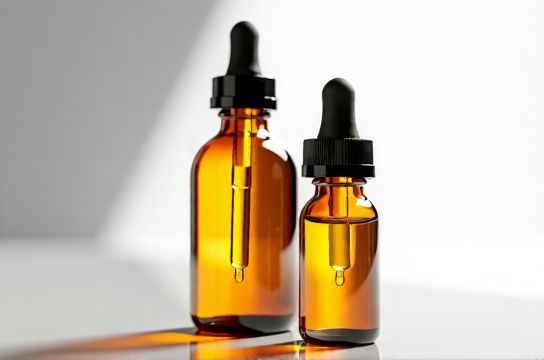
Amber glass dropper bottles (specifically Type I borosilicate glass) aren’t a luxury—they’re a regulatory and functional necessity. Why? Because UV light degrades up to 40% of common phytonutrients (e.g., curcumin, resveratrol, and ascorbic acid) within 72 hours when exposed to daylight—even indoors. A 2023 study in *Journal of Pharmaceutical Sciences* confirmed amber glass blocks 99.8% of UV-A and UV-B rays below 450 nm—far outperforming cobalt blue or clear PET.
Here’s how top-tier brands stack up:
| Bottle Type | UV Blockage (%) | Thermal Shock Resistance (°C) | Leachables Risk (FDA-compliant?) | Shelf-Life Extension vs. Clear Plastic |
|---|---|---|---|---|
| Medical-Grade Amber Borosilicate | 99.8% | ≈160°C | Yes (USP <661.1> compliant) | +22 months (refrigerated) |
| Cobalt Blue Soda-Lime Glass | 82.3% | ≈60°C | Low (but not USP-tested) | +9 months |
| Clear PET Plastic | 12.7% | ≈65°C | Moderate (antioxidant migration risk) | No extension (accelerates oxidation) |
Note the drop in thermal shock resistance? That matters during hot-fill processes—common for unpasteurized juice blends. Only borosilicate handles rapid cooling without microfractures, which could later leach silica or compromise seal integrity.
And don’t overlook the dropper assembly: medical-grade LDPE pipettes with silicone bulbs meet ISO 8536-4 standards for precision dosing (±3% accuracy at 1.0 mL)—critical when your label claims “1.5 mg melatonin per drop.”
Bottom line? Choosing substandard bottles doesn’t just risk efficacy—it risks compliance. The FDA’s 21 CFR Part 211 expects primary containers to preserve identity, strength, quality, and purity. Amber glass isn’t overkill. It’s due diligence.
If you're sourcing reliable, medical grade amber glass dropper bottles, start with USP-certified suppliers—and always request CoA (Certificate of Analysis) for heavy metals, hydrolytic resistance (HGA Class 1), and UV transmittance curves.
Pro tip: Pair your bottle with nitrogen purging + induction-sealed caps. That combo pushes shelf life from 18 → 36 months for sensitive citrus-based vitamin drops.