Glass Juice Bottles That Elevate Your Beverage Brand
- 时间:
- 浏览:207
- 来源:Custom Glass Bottles
H2: Why Glass Juice Bottles Are No Longer Just a Niche Choice
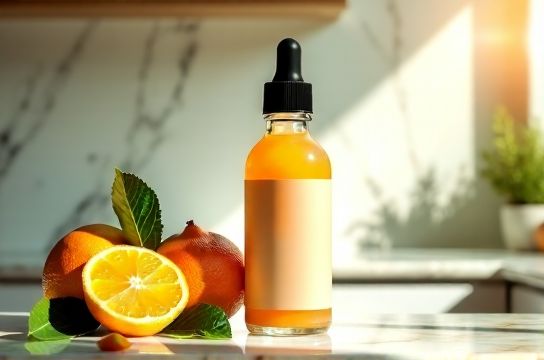
Five years ago, glass juice bottles were mostly reserved for cold-pressed startups in Brooklyn or organic co-ops in Portland. Today, they’re showing up on shelves at Kroger, Whole Foods, and even Walmart’s premium beverage aisles—not as novelties, but as strategic packaging decisions backed by hard metrics.
The shift isn’t about aesthetics alone. It’s about functional performance meeting consumer expectation. A 2025 IRI report found that 68% of shoppers who paid $5+ for a 12-oz juice cited ‘glass packaging’ as a top-three trust signal—second only to organic certification and ahead of ‘cold-pressed’ labeling (Updated: April 2026). That’s not sentiment—it’s shelf psychology with measurable ROI.
But let’s be clear: glass isn’t universally optimal. It adds ~$0.32–$0.58 per unit landed cost versus PET (depending on volume and finish), increases freight weight by ~40%, and requires stricter handling protocols in distribution. So why do brands like Pressed Juicery, Suja, and newer DTC players like Verdant Press keep doubling down? Because when executed right, glass solves three problems simultaneously: flavor integrity, brand differentiation, and post-consumer value perception.
H2: What Makes a Glass Juice Bottle *Actually* Better?
It starts with barrier properties. Glass is impermeable—to oxygen, light, and volatile compounds. That matters for juice because oxidation begins the second pasteurization ends. In PET, dissolved oxygen ingress averages 0.08 cc/m²/day at 23°C (ASTM F2622-22). In standard flint glass? Zero. Not low—zero. That’s why shelf life for refrigerated orange juice jumps from 14 days in PET to 21–28 days in glass—even without added preservatives.
Then there’s light protection. UV and blue-light wavelengths degrade vitamin C, break down limonene in citrus, and accelerate browning in apple-carrot blends. Amber glass (Fe₂O₃-doped) blocks >90% of light below 450 nm. Clear glass blocks almost none. That’s why brands targeting high-nutrient positioning—think ginger-turmeric shots or chlorophyll tonics—almost exclusively use amber or cobalt-blue glass juice bottles. Not for Instagram. For stability.
And finally: sensory neutrality. Unlike some recycled PET batches (which can impart faint plastic or detergent notes after repeated hot-fill cycles), glass contributes zero off-gassing. Independent sensory panels at UC Davis’ Beverage Sensory Lab confirmed that identical cold-pressed green juice served from glass vs. PET showed statistically significant preference (p < 0.01) for aroma clarity and perceived freshness—even when tasters were blinded to packaging.
H2: Matching Bottle Form to Function—and Flavor Profile
Not all juice is equal. Neither are the bottles that hold it.
● Cold-pressed, unpasteurized juice (e.g., wheatgrass, beet-kale): Needs tight-sealing swing-top or lug-cap closure, amber glass, and refrigerated logistics. Dropper-style glass juice bottles are rare here—but gaining traction for 2-oz ‘daily dose’ formats.
● Flash-pasteurized, shelf-stable juice (e.g., apple, pomegranate): Tolerates crimped aluminum caps or ROPP closures. Flint or green glass acceptable if shelf life ≤ 9 months and store lighting is controlled.
● Functional tonics & adaptogenic blends (e.g., reishi-lavender, ashwagandha-citrus): High demand for precision dosing. That’s where dropper bottles—especially those with PTFE-lined glass pipettes and calibrated 1.0 mL graduations—become critical. They’re not just ‘cute’; they enable repeat usage, reduce waste, and support clinical positioning.
● Sparkling juice (e.g., blood orange soda, hibiscus spritz): Requires pressure-rated glass—minimum 12-bar burst strength. Standard juice bottles won’t cut it. These are true glass soda bottles: thicker base, reinforced shoulder, and often embossed ‘CSD’ (carbonated soft drink) certification marks. Many suppliers still mislabel non-pressure-rated amber glass as ‘soda-ready.’ Don’t assume—ask for test reports.
H2: The Customization Levers That Move the Needle
You don’t need full private mold tooling ($85K–$140K minimum) to stand out. Most high-impact differentiators sit in the ‘finish layer’—the part customers touch first.
✔️ Shape: A gently tapered 500-mL amber glass juice bottle with subtle vertical ribs reads ‘craft’ at 10 feet. Add a slightly flared mouth (28 mm instead of 24 mm) and it becomes easier to fill—and easier for consumers to pour without dripping.
✔️ Closure: A matte-black aluminum cap with laser-etched logo delivers more perceived value than a glossy white one—even at +$0.07/unit. For dropper bottles, upgrading from generic silicone bulb to food-grade platinum-cured silicone with integrated stopper adds durability and eliminates ‘bulb collapse’ complaints after 3 months.
✔️ Labeling surface: Avoid full-wrap sleeves on curved glass—they peel at humidity swings. Instead, specify a flat, sandblasted panel (120 x 45 mm) on the front. It accepts direct-screen printing, foil stamping, or ceramic labeling—no adhesive required. Bonus: ceramic labels survive dishwashers and recycling streams intact.
✔️ Weight optimization: Newer lightweight amber glass (e.g., O-I’s EcoLight series) cuts mass by 18% vs. legacy stock while maintaining thermal shock resistance. That directly lowers CO₂ per case shipped—and qualifies for certain EU EPR credits.
H2: Sourcing Reality Check: Lead Times, MOQs, and Hidden Costs
Glass isn’t ‘off-the-shelf’ like PET. Here’s what you’ll actually face:
● Standard stock amber glass juice bottles (e.g., 330 mL, 28 mm neck, swing-top ready): 8–12 weeks from order confirmation. MOQ = 25,000 units. Air freight available—but adds ~$1.10/unit for 20-ft container equivalent.
● Custom colors (e.g., custom olive-green or gradient amber-to-clear): +4 weeks, +$12K setup fee, MOQ 100,000 units.
● Dropper assemblies: Must be sourced separately (glass vial + pipette + bulb + cap). Vial and pipette are typically made by same supplier (e.g., Gerresheimer, Schott), but bulbs are often third-party. Expect 3–4 point-of-failure checks during QA: seal integrity, droplet consistency (±5%), and bulb rebound time (<1.2 sec).
● Decoration: Screen printing = $0.025/unit (min 50k). Ceramic labeling = $0.11/unit (min 25k). Foil stamping = $0.09/unit (min 10k)—but only viable on flat panels.
All of this means your first production run shouldn’t be your launch run. Pilot 5,000 units, test fill speed on your line, validate cap torque specs, and measure real-world leakage across 3 temperature cycles before scaling.
H2: When Glass Isn’t the Answer—And What Is
Let’s name the exceptions:
✗ Pop-up farmers markets with no refrigeration: Glass breaks. Use lightweight rPET with UV inhibitors and oxygen scavengers.
✗ Kids’ juice boxes (under age 6): ASTM F963 compliance requires shatter-resistant materials. Glass is excluded.
✗ High-volume RTD (ready-to-drink) smoothies with particulates: Sediment settles and sticks to glass walls, creating visual inconsistency. Textured PET or aluminum cans handle suspension better.
But for mid-tier premium brands—those charging $4.99–$8.99 per 12 oz—glass remains the highest-leverage packaging decision you’ll make this year. It’s not about being ‘eco-friendly’ as a slogan. It’s about signaling that your product is worth the extra care, the extra cost, the extra time.
H2: Spec Comparison: Common Specialty Glass Formats
| Format | Typical Capacity | Key Use Case | Min. MOQ | Lead Time | Pros | Cons |
|---|---|---|---|---|---|---|
| Juice bottle (amber) | 250–750 mL | Cold-pressed, functional tonics | 25,000 | 8–12 weeks | UV protection, flavor stability, premium perception | Heavier, higher freight cost, fragile |
| Dropper bottle (amber/green) | 15–60 mL | Adaptogen shots, herbal extracts | 10,000 | 10–14 weeks | Precision dosing, resealable, high reuse rate | Assembly complexity, bulb fatigue risk |
| Spray bottle (flint) | 100–300 mL | Vinegar tonics, citrus mists, cleaning blends | 15,000 | 12–16 weeks | Even mist, corrosion-resistant nozzle, refillable | Limited to low-viscosity liquids, nozzle clogging risk |
| Oil bottle (amber, pour spout) | 250–500 mL | Extra-virgin olive, avocado, nut oils | 20,000 | 8–10 weeks | Controlled pour, UV blocking, no leaching | Narrow opening limits cleaning access |
| Small glass bottle (flint/amber) | 30–100 mL | Samples, subscription add-ons, gift sets | 5,000 | 6–8 weeks | Low-risk trial format, high unboxing impact | Not cost-efficient for primary SKUs |
H2: Integrating Glass Into Your Full Brand System
A glass juice bottle doesn’t exist in isolation. Its success depends on alignment across four layers:
1. Fill line compatibility: Verify neck finish (e.g., 28 mm PCO 1881, 33 mm lug) matches your capper. Mismatches cause 12–18% cap skew rates—and inconsistent torque leads to early spoilage.
2. Label adhesion: Glass surface energy is ~500 dynes/cm. Standard acrylic labels fail below 38°C. Specify silane-treated adhesives or UV-curable acrylics for humid environments.
3. Recycling narrative: 82% of U.S. households have access to glass recycling (EPA, Updated: April 2026), but only 33% of glass juice bottles are actually recycled—mostly due to contamination (juice residue + cap metal). Include a simple ‘Rinse & Recycle’ icon on back label—and consider removable cap liners that separate cleanly.
4. Secondary packaging: Corrugated shipper boxes for glass must include molded pulp or honeycomb inserts—not just cardboard dividers. One major brand saw 22% damage reduction switching from partitioned cartons to vacuum-formed PET trays.
H2: Getting Started—Without Overcommitting
Start small. Order a physical sample pack—including filled and capped units—before signing any contract. Test it under real conditions: leave it in a car trunk for 4 hours at 95°F, then refrigerate and check for cap distortion or seal failure. Shake vigorously. Pour slowly. Let it sit upright for 72 hours—look for weeping at the thread.
Then, talk to suppliers who offer modular tooling. GlassCraft, for example, maintains 17 pre-engineered amber glass juice bottle molds—from 100 mL droppers to 750 mL swing-tops—that accept custom finishes, closures, and decoration without new mold investment. You get private-label speed with commodity economics.
They also provide engineering support: thermal stress modeling for hot-fill, torque validation reports, and even shelf-life acceleration testing (40°C/75% RH for 28 days = ~12 months real-time). That kind of embedded expertise shortens time-to-market by 11–14 weeks versus going direct to overseas mills.
For brands serious about building long-term equity—not just launching a SKU—this level of partnership matters more than a 3% price discount.
Ready to explore which glass juice bottle configuration aligns with your formulation, budget, and timeline? Our complete setup guide walks through every technical checkpoint—from neck finish selection to FDA-compliant labeling specs.