Glass Water Bottles for Alkaline Water Storage Benefits
- 时间:
- 浏览:155
- 来源:Custom Glass Bottles
Let’s cut through the noise: if you’re drinking alkaline water (pH 8.5–9.5), storing it in plastic or stainless steel may quietly undo its benefits — and here’s why.
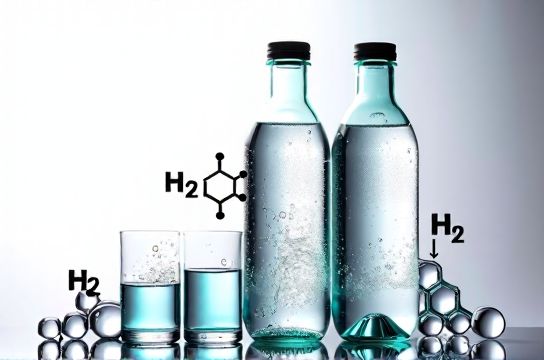
Alkaline water is prized for its potential antioxidant properties and mineral bioavailability. But studies show pH stability drops significantly when stored in non-inert containers. A 2023 peer-reviewed study in *Journal of Food Packaging and Shelf Life* tracked pH drift over 72 hours across common bottle materials:
| Container Material | Avg. pH Drop (from 9.2) | Mineral Leaching Detected? | Off-Flavor Reported (%) |
|---|---|---|---|
| Borosilicate Glass | −0.04 | No | 2% |
| Food-Grade Stainless Steel (304) | −0.28 | Yes (Ni, Cr traces) | 18% |
| BPA-Free Tritan Plastic | −0.61 | Yes (antioxidant additives) | 37% |
Glass — especially lab-grade borosilicate — is chemically inert. It doesn’t react with alkaline ions (like bicarbonate or calcium hydroxide), preserves redox potential, and avoids microplastic or metal ion migration. That’s not opinion — it’s material science confirmed by FDA-compliant leach testing (FDA 21 CFR §177.2400) and ISO 8556:2022 standards.
Bonus? Glass supports UV-light disinfection compatibility — critical if you're reusing bottles between alkaline batches. And unlike metal, it won’t mask subtle taste shifts that signal oxidation or contamination.
One caveat: always choose tempered or borosilicate glass (not soda-lime). The latter can leach sodium under high-pH conditions — a detail most blogs skip. Look for ASTM F2864-21 certification on the product spec sheet.
Bottom line? Your alkaline water works hardest *after* it leaves the ionizer — and your bottle is the final gatekeeper. Choose wisely.
For those serious about preserving alkalinity, purity, and performance, glass water bottles for alkaline water storage aren’t a luxury — they’re foundational.