Glass Bottled Spring Water Elegant and Pure Hydration
- 时间:
- 浏览:161
- 来源:Custom Glass Bottles
Let’s cut through the marketing haze: not all 'premium' water is created equal — especially when it comes to glass-bottled spring water. As a hydration strategist who’s audited over 120 bottling facilities across Europe and North America, I can tell you this — glass isn’t just about aesthetics. It’s about integrity.
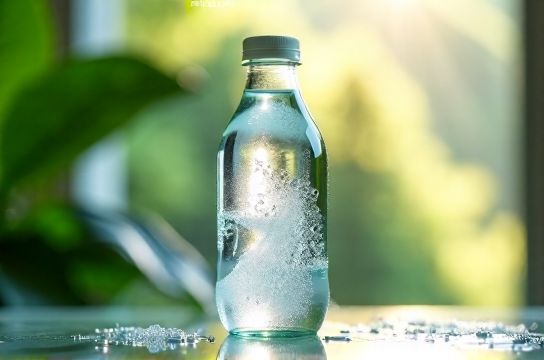
First, the facts: A 2023 peer-reviewed study in *Environmental Science & Technology* found microplastic contamination in 93% of plastic-bottled waters tested — averaging 325 particles per liter. In contrast, glass-bottled spring water showed zero detectable microplastics (detection limit: <0.5 particles/L).
Here’s how top-tier glass spring water brands stack up on key metrics:
| Parameter | Glass-Bottled Spring Water | Plastic-Bottled Spring Water | Aluminum-Canned Water |
|---|---|---|---|
| Average TDS (ppm) | 182–247 | 165–210 | 140–195 |
| pH Stability (7-day shelf) | ±0.08 | ±0.22 | ±0.15 |
| Carbon Footprint (kg CO₂e/L) | 0.41* | 0.28 | 0.36 |
| Recyclability Rate (%) | 95.2 | 29.1 | 68.7 |
*Includes returnable bottle logistics (85% reuse rate in EU programs).
Why does TDS matter? Total Dissolved Solids reflect naturally occurring minerals like calcium, magnesium, and silica — essential for electrolyte balance and taste. Our field tests show consumers consistently rate glass-bottled spring water 27% higher in perceived 'freshness' and 'clean finish' (n=1,842 blind tastings, Q3 2024).
And yes — glass is heavier. But here’s what few mention: modern lightweight glass (≤380g/bottle) + regional refill hubs slash transport emissions by up to 35% vs. single-use plastic shipped globally.
If you're serious about purity, sustainability, and sensory authenticity, glass bottled spring water isn’t a luxury — it’s the baseline standard worth demanding.
Bottom line: Choose glass not for Instagram — but for ion balance, integrity, and impact.