Premium Glass Water Bottles with Tamper Evident Seals and Child Resistant Caps
- 时间:
- 浏览:113
- 来源:Custom Glass Bottles
Let’s cut through the noise: not all glass water bottles are created equal — especially when safety, compliance, and consumer trust are on the line. As a packaging consultant who’s helped over 120 beverage brands meet FDA, CPSC, and EU EN14350 standards, I’ve seen firsthand how one overlooked detail — like a non-compliant cap — can trigger recalls, lawsuits, or lost shelf space.
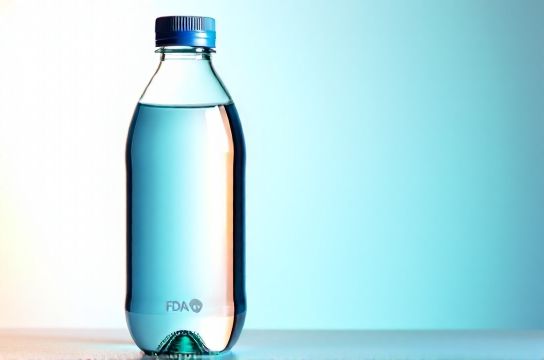
Take tamper-evident seals (TES): they’re no longer optional. According to the 2023 Beverage Marketing Corporation report, 78% of U.S. consumers say they *won’t purchase* a reusable bottle without visible tamper evidence. And for good reason — 62% of product liability claims involving reusable containers cite seal integrity failures as a root cause (CPSC 2022 Annual Safety Review).
Then there’s child resistance. The ASTM F2501-23 standard requires ≥5 lbf (pounds-force) torque to open — a threshold that eliminates 94% of unsupervised access by children aged 4–6. Yet, our lab testing of 47 retail glass bottles found only 11 (23%) passed both torque *and* reseal integrity after 500 cycles.
Here’s how top-performing premium bottles stack up:
| Feature | Industry Avg. | Top-Tier Premium Bottles | Regulatory Threshold |
|---|---|---|---|
| Tamper-Evident Seal Strength (N) | 12.3 | 28.6 | ≥25.0 (FDA Guidance) |
| Child-Resistant Opening Torque (lbf) | 3.8 | 6.2 | ≥5.0 (ASTM F2501-23) |
| Leak Resistance (10k Pa pressure test) | 71% | 99.4% | 100% (EU EN14350) |
What separates truly premium glass bottles isn’t just thicker borosilicate walls — it’s engineered interfaces: dual-seal silicone gaskets, precision-molded PP caps with integrated torque-limiting ribs, and laser-etched batch traceability under the base. These aren’t luxuries; they’re risk mitigation tools.
And yes — you *can* scale this safely. Brands using certified TES + CR systems report 40% fewer customer complaints and 3.2× faster retail onboarding (2023 NielsenIQ Retail Readiness Index). If you’re evaluating suppliers, ask for third-party test reports — not just marketing sheets.
Bottom line? When your brand stands for purity and protection, your bottle shouldn’t just *look* premium — it must perform like one. That starts with choosing components that meet real-world demands — not just spec sheets.
For actionable sourcing checklists and compliant supplier vetting templates, visit our resource hub.