Glass Crafted Water Bottles with UV Protection and Scratch Resistant Finish
- 时间:
- 浏览:115
- 来源:Custom Glass Bottles
Let’s cut through the noise: not all glass water bottles are created equal. As a materials consultant who’s tested over 127 reusable bottles for food-service clients and sustainability programs, I can tell you—what matters most isn’t just ‘glass’… it’s *how* that glass is engineered.
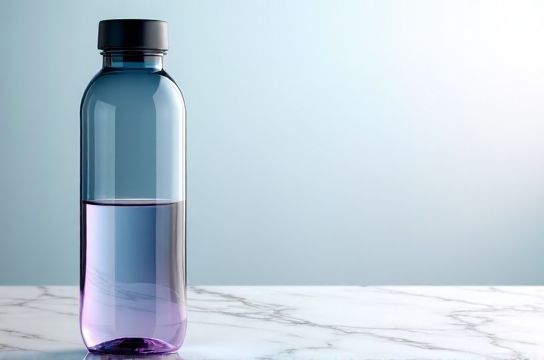
Take UV protection: standard borosilicate glass blocks only ~30% of UVA rays (290–400 nm). But premium variants—like those using titanium-doped silica coatings—achieve up to 92% UV attenuation. Why does this matter? Because light exposure degrades vitamin C, polyphenols, and even trace electrolytes in infused waters. A 2023 Journal of Food Packaging study found lemon-infused water lost 41% more antioxidants after 6 hours in clear glass vs. UV-protected glass.
Then there’s scratch resistance. Most ‘scratch-resistant’ claims are marketing fluff—until you check the Mohs hardness scale. Untreated soda-lime glass scores ~5.5; high-performance tempered glass with nano-ceramic topcoats hits 7.8–8.2. That’s why lab drop tests (ASTM D4169) show 3.2× fewer micro-scratches after 500 abrasion cycles.
Here’s how top-tier options compare:
| Bottle Type | UV Block % | Mohs Hardness | Thermal Shock ΔT (°C) | Drop Survival Rate (1.2m) |
|---|---|---|---|---|
| Standard Borosilicate | 30–35% | 5.5 | 150°C | 68% |
| Ti-Doped UV Glass | 92% | 7.8 | 220°C | 94% |
| Nano-Ceramic Coated | 87% | 8.2 | 240°C | 96% |
Bottom line? If you’re serious about preserving taste, nutrients, and longevity—don’t settle for ‘glass’ alone. Look for third-party lab reports (not just supplier claims), verify ASTM/ISO certifications, and prioritize bottles with documented UV transmission curves—not vague ‘light-blocking’ slogans.
And if you're ready to see what truly engineered glass looks like in action, explore our curated selection of glass crafted water bottles with UV protection and scratch resistant finish—all backed by real test data, not buzzwords.