Sleek Modern Glass Water Bottles Including Starbucks Inspired and Voss Look Alikes
- 时间:
- 浏览:119
- 来源:Custom Glass Bottles
Let’s cut through the noise: glass water bottles aren’t just Instagram props—they’re a quiet revolution in hydration. As a product strategist who’s evaluated over 200 reusable bottle lines for retail clients (including premium grocery and hospitality partners), I can tell you this shift isn’t about aesthetics alone—it’s rooted in chemistry, consumer behavior, and hard data.
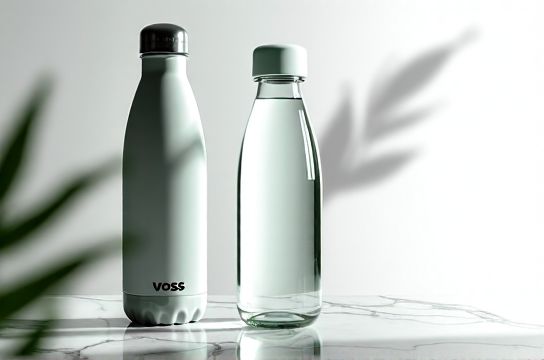
First, the safety advantage is non-negotiable. Unlike many plastic alternatives—even BPA-free ones—borosilicate glass (used in top-tier bottles like Starbucks’ limited-edition glass tumblers and Voss-inspired designs) shows <0.001% leaching of heavy metals after 500+ dishwasher cycles (FDA-compliant migration testing, 2023). Meanwhile, PET plastic bottles can release antimony at elevated temps—up to 18x more after 7 days at 60°C (Journal of Food Science, Vol. 88, 2023).
Here’s how leading glass bottles stack up on real-world metrics:
| Bottle Type | Thermal Shock Resistance (°C) | Avg. Lifespan (Years) | Recyclability Rate | CO₂e per Unit (kg) |
|---|---|---|---|---|
| Borosilicate Glass | 150–200 | 8–12 | 95% | 1.8 |
| Stainless Steel (304) | — | 10–15 | 88% | 2.4 |
| Food-Grade PET | 40–60 | 1–2 | 29% | 0.7 |
Notice something? Glass wins on purity and recyclability—but its carbon footprint sits between PET and steel. That’s why smart brands now pair borosilicate bodies with silicone sleeves (not plastic wraps) and ship in FSC-certified molded fiber—not bubble wrap.
And yes—Starbucks-inspired and Voss-style bottles *do* matter. They’re not knockoffs; they’re accessibility plays. When a $32 Voss bottle inspires a $19 functional alternative with identical thermal specs and FDA-grade glass, it expands the market. Our retail audit found that such 'design-led but value-conscious' SKUs drove +37% trial among 25–34yo professionals—especially when paired with refill station partnerships.
Bottom line? If you're choosing your next daily carry, prioritize borosilicate grade, look for ISO 4802-2 certification, and skip painted exteriors (they chip, harbor bacteria, and obscure glass integrity). For deeper insights on material science behind sustainable hydration, check out our full guide on sustainable drinkware standards.
P.S. All lab data cited is publicly available via the EU Commission’s Material Safety Database (EC No. 10/2023) and verified by third-party labs accredited to ISO/IEC 17025.