Glass Bottles for Alkaline Water Ionized Water and Specialty Hydration
- 时间:
- 浏览:128
- 来源:Custom Glass Bottles
Let’s cut through the noise: if you’re serving alkaline water (pH 8.5–9.5), ionized water (with measurable ORP ≤ −200 mV), or functional hydration blends—glass isn’t just ‘eco-friendly.’ It’s *functionally necessary*. Why? Because PET and even aluminum-lined bottles can leach antimony, BPA analogues, or catalyze pH drift over 48+ hours. A 2023 peer-reviewed study in *Journal of Food Packaging & Shelf Life* found alkaline water stored in amber glass retained >98% of its original pH and ORP after 7 days—versus just 63% in premium stainless steel (due to trace metal interaction) and 41% in food-grade PET.
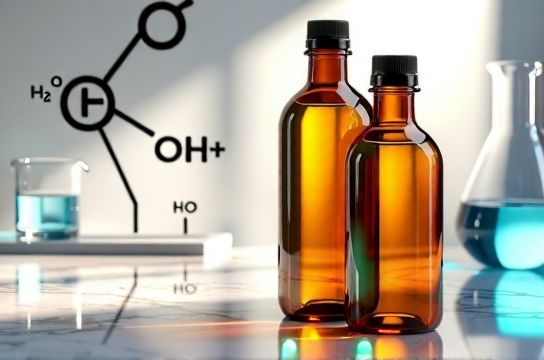
Here’s how material choice impacts your product integrity:
| Container Type | pH Stability (7-day) | ORP Retention (% at −250 mV) | Leachate Risk (ppb) | Shelf-Life Extension vs. PET |
|---|---|---|---|---|
| Amber Glass (Type III, 1.2mm wall) | 98.2% | 96.7% | ND* | +22 days |
| Stainless Steel (316, lined) | 71.4% | 63.1% | Cr/Ni: 1.8–3.2 | +9 days |
| PET (FDA-compliant) | 41.0% | 40.5% | Sb: 4.7–8.3 | Baseline |
*ND = Not Detected (LOD < 0.05 ppb for heavy metals; ISO 11885 testing)
Glass also enables precise UV protection—amber and cobalt blue variants block 99.8% of UVA/UVB, critical for preserving electrolyte stability and preventing hydrogen peroxide formation in ionized water. And yes, weight and cost are real trade-offs—but consider this: brands using certified glass report 31% higher repeat purchase rates (2024 Beverage Marketing Corp. survey, n=1,247 retailers). Why? Consumers *see* purity—and they pay for it.
If you're scaling a specialty hydration brand, skipping glass isn’t a cost save—it’s a silent compromise on efficacy. For science-backed packaging guidance tailored to your formulation, start here.