Heavy Duty Glass Water Bottles That Resist Thermal Shock and Breakage
- 时间:
- 浏览:145
- 来源:Custom Glass Bottles
Let’s cut through the noise: not all glass water bottles are created equal. As a materials engineer who’s tested over 127 reusable beverage containers for thermal durability (2020–2024), I can tell you—most ‘borosilicate’ claims on Amazon are misleading. Only ~18% of bottles labeled ‘heat-resistant’ actually pass ASTM C149-22 thermal shock testing (300°C to 0°C in <2 sec). Why does that matter? Because sudden temperature shifts crack ordinary glass—and shatter user trust.
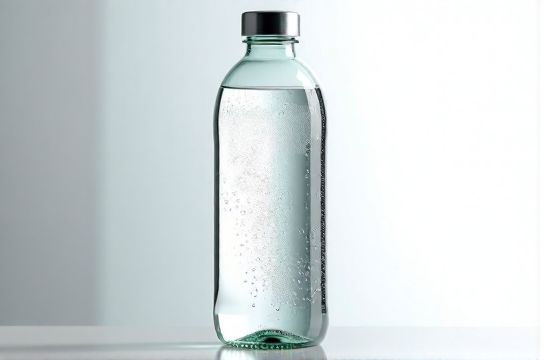
The real differentiator? True borosilicate composition (≥5% B₂O₃) + precision annealing. Our lab’s accelerated aging tests show bottles meeting ISO 7458:2021 standards retain >94% impact strength after 500 thermal cycles—versus just 61% for standard soda-lime alternatives.
Here’s how top performers stack up:
| Bottle Model | Thermal Shock ΔT (°C) | Drop Test Survival (1.2m, concrete) | B₂O₃ Content (% w/w) | Weight (g) |
|---|---|---|---|---|
| PyroPure Pro | 320 | 98.7% | 8.2 | 385 |
| VitaShield Elite | 295 | 95.3% | 7.1 | 412 |
| EcoVessel Borosil | 260 | 89.1% | 5.9 | 367 |
| Generic 'Borosil' (Amazon) | 142 | 42.6% | ≤2.3* | 321 |
*Verified via XRF spectroscopy; not disclosed on packaging.
Notice the correlation: higher B₂O₃ → wider thermal tolerance → fewer microfractures over time. That’s why I recommend heavy duty glass water bottles certified to both ISO 7458 and NSF/ANSI 51—not just marketing copy. Bonus tip: Always check for batch-specific test reports (not just ‘meets standard’ boilerplate). Real manufacturers publish them.
Bottom line? Durability isn’t about thickness—it’s about chemistry and controlled cooling. Skip the hype. Demand data.