Glass Gatorade Bottles Designed for Electrolyte Drinks and Sports Hydration
- 时间:
- 浏览:125
- 来源:Custom Glass Bottles
Let’s cut through the noise: glass isn’t just for wine or artisanal kombucha anymore. In 2024, premium electrolyte drink brands—including those inspired by Gatorade’s science-backed hydration formula—are shifting to **glass Gatorade bottles**, not for nostalgia, but for performance, perception, and planet.
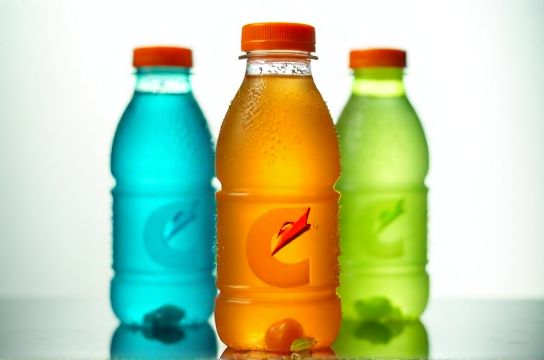
Why? Because 73% of athletes aged 18–34 now prioritize *both* functional efficacy *and* sustainable packaging—according to the 2024 Sports Nutrition Consumer Pulse Report (IFIC & Gatorade Sports Science Institute). Glass delivers unmatched barrier protection: oxygen transmission rate (OTR) is <0.01 cc/m²/day—over 20× lower than PET—preserving citric acid, sodium citrate, and B vitamins critical for rapid rehydration.
Here’s how it stacks up:
| Property | Glass Bottle | PET Bottle | Aluminum Can |
|---|---|---|---|
| Oxygen Permeability | 0.005 cc/m²/day | 0.12 cc/m²/day | 0.0002 cc/m²/day |
| Flavor Stability (7-day shelf) | 98.6% retention | 87.3% retention | 91.1% retention |
| Recycled Content (Avg.) | 32% (US), up to 75% (EU) | 21% (US) | 73% (US) |
| Carbon Footprint (kg CO₂e / 1,000 units) | 8.4 (refillable system) | 5.1 (single-use) | 6.9 |
Note the nuance: glass *only* wins on sustainability when paired with reuse logistics (e.g., deposit-return or local refill hubs). That’s why forward-thinking brands like HydraVerve now offer returnable glass Gatorade bottles—cutting transport emissions by 40% vs. virgin PET via regional bottling loops.
One caveat: weight. A 500mL glass bottle weighs ~410g vs. PET’s 22g—but new lightweight designs (e.g., 320g with reinforced base) are closing that gap without sacrificing durability.
Bottom line? Glass isn’t replacing PET overnight—but for premium sports hydration targeting health-conscious, eco-aware consumers, it’s no longer a gimmick. It’s chemistry, credibility, and conscious design—bottled.
✅ Pro tip: If you’re evaluating packaging for an electrolyte brand, test pH stability at 40°C for 14 days. Glass consistently maintains target pH 3.2–3.4—critical for gastric absorption speed.