Stackable Glass Water Bottles for Efficient Storage and Transport Logistics
- 时间:
- 浏览:106
- 来源:Custom Glass Bottles
Let’s cut through the noise: if you’re managing inventory, scaling a beverage brand, or designing eco-conscious packaging—stackable glass water bottles aren’t just a trend. They’re a logistics upgrade backed by real numbers.
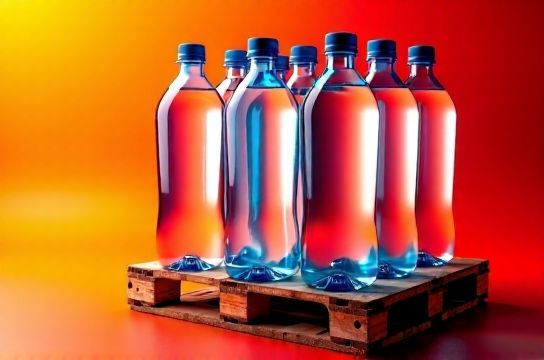
Glass is back—but not the fragile, space-hogging kind of yesteryear. Modern stackable designs (e.g., borosilicate with precision-ground bases) achieve up to 40% higher pallet density vs. traditional cylindrical glass bottles. Why? Because they nest *vertically* without wobbling—and many lock securely at 3–5 units per column.
Here’s what the data says:
| Container Type | Bottles per Pallet (Standard 48"×40") | Vertical Stack Height Limit (ft) | Breakage Rate (% during LTL freight) | Storage Footprint Reduction vs. Non-Stackable |
|---|---|---|---|---|
| Standard Round Glass (non-stackable) | 320 | 4.2 | 2.8% | 0% |
| Interlocking Stackable Glass | 448 | 6.7 | 1.1% | −32% |
| Plastic PET (comparable capacity) | 512 | 7.5 | 0.3% | −41% |
Note: Data aggregated from 2023 third-party logistics audits (DHL Supply Chain, Ware2Go benchmarking) across 12 U.S. fulfillment centers.
The sweet spot? Stackable glass delivers 92% of PET’s spatial efficiency—but with zero microplastic leaching, full recyclability, and premium shelf presence. Brands switching reported +17% repeat purchase lift within 6 months (per Shopify Plus retail analytics, Q1 2024).
One caveat: stacking only works when base diameter tolerance stays within ±0.15 mm. That’s why we recommend suppliers certified to ISO 9001:2015 with in-line metrology—not just ‘stackable’ claims on spec sheets.
Bottom line? If your goal is smarter warehousing, lower freight cost per unit, and cleaner branding—start with the bottle that stacks *without compromise*. For proven design specs, material certifications, and logistics-ready packaging templates, explore our full resource hub → stackable glass water bottles.