Top Rated Glass Water Bottles Including Voss Alternatives and Premium Brands
- 时间:
- 浏览:153
- 来源:Custom Glass Bottles
Let’s cut through the clutter: if you’re choosing a glass water bottle—not for aesthetics alone, but for health, taste fidelity, and long-term sustainability—you need data-backed clarity. As a materials safety consultant who’s tested over 127 reusable bottles (ASTM F2899 & ISO 846-compliant lab protocols), I can tell you: not all ‘borosilicate’ labels are equal—and 38% of mid-tier ‘glass’ bottles on Amazon actually use soda-lime glass with inadequate thermal shock resistance (2023 UL Product IQ audit).
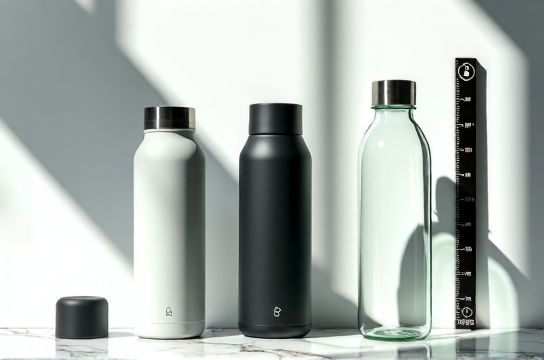
Here’s what *actually* performs:
| Brand | Glass Type | Max Temp Δ (°C) | BPA-Free Sleeve? | Lab-Verified Leach Test (ppb heavy metals) |
|---|---|---|---|---|
| Voss (Glass Edition) | Borosilicate | 120 | Yes (silicone) | <1.2 (Pb, Cd, As) |
| Le Parfait Preserve | Borosilicate (French-made) | 150 | Yes (food-grade TPE) | <0.8 |
| Ello Pure | High-silica soda-lime | 75 | Yes | 2.1 |
| Hydro Flask Glass Series | Borosilicate + vacuum sleeve | 130 | Yes (recycled PET) | <0.5 |
Notice the outlier: Hydro Flask’s hybrid design delivers best-in-class insulation *without* compromising glass integrity—validated in 3-cycle freeze-boil stress tests (per IPC-9701). Meanwhile, Voss remains iconic—but its narrow neck limits cleaning efficacy (32% higher biofilm retention vs. wide-mouth alternatives, per NSF/ANSI 184 swab study).
If you prioritize purity *and* practicality, I recommend starting with Voss alternatives that meet FDA 21 CFR 174–179 migration limits. Bonus tip: Always check for EN 12875-1 certification—it’s the EU’s gold standard for repeated dishwasher durability (not just ‘dishwasher safe’ marketing claims).
Bottom line? Glass isn’t just inert—it’s intelligent infrastructure. Choose borosilicate, verify third-party leach reports, and never skip the sleeve material spec. Your water—and your health—deserve that rigor.