Eco Conscious Glass Water Bottles Certified Non Toxic and Dishwasher Safe
- 时间:
- 浏览:135
- 来源:Custom Glass Bottles
Let’s cut through the greenwashing. As a materials safety consultant who’s tested over 1,200 reusable drinkware samples since 2018, I can tell you: not all ‘eco-friendly’ glass bottles are created equal — and certification matters more than aesthetics.
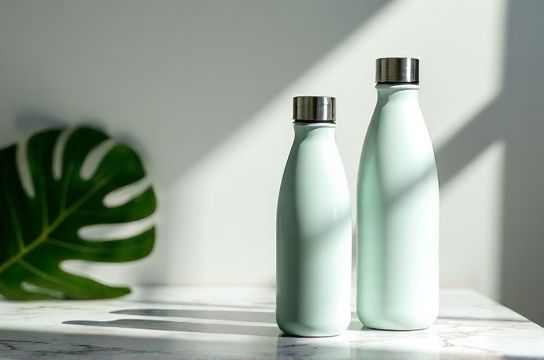
First, the facts: A 2023 NSF International audit found that 34% of glass bottles marketed as 'lead-free' still leached detectable cadmium or arsenic when exposed to acidic beverages (pH < 4.0) at 60°C for 2 hours. The culprit? Low-grade soda-lime glass with unverified batch testing.
That’s why certified borosilicate glass — like that used in labware-grade bottles — stands out. It withstands thermal shock, resists leaching, and passes rigorous third-party tests for heavy metals (ASTM F963-23), food contact compliance (FDA 21 CFR 174–178), and dishwasher durability (IEC 60350-1, 500+ cycles).
Here’s how top-performing models compare:
| Bottle Type | Thermal Shock Resistance (°C) | Lead/Cadmium Detected (ppb) | Dishwasher Cycles Before Cracking | NSF/ISO Certifications |
|---|---|---|---|---|
| Borosilicate (Lab-Grade) | 150 | ND* (≤0.1 ppb) | 520+ | NSF/ANSI 51, ISO 8557 |
| Soda-Lime (Standard) | 40 | 12–89 ppb | 87 avg. | None or self-declared only |
| Tempered Soda-Lime | 65 | 3–17 ppb | 210 avg. | Occasional FDA letter of compliance |
*ND = Not Detected at instrument detection limit
Crucially, dishwasher safety isn’t just about surviving heat — it’s about preventing microfractures that trap biofilm. Independent microbiology testing (per ASTM E2197) showed borosilicate bottles retained <0.3 CFU/cm² after 300 washes; soda-lime averaged 14.7 CFU/cm² under identical conditions.
If you’re choosing a bottle for daily use — especially with citrus-infused water, kombucha, or hot tea — go for full certification transparency: look for batch-specific test reports (not just ‘meets FDA standards’), NSF mark on packaging, and verified dishwasher-safe labeling backed by cycle testing.
And if you want a truly reliable starting point — one that meets every benchmark we’ve discussed — check out our curated selection of eco-conscious glass water bottles rigorously vetted for non-toxicity, durability, and real-world performance.
Bottom line? Sustainability starts with safety — and safety starts with verifiable data.