Top Rated Glass Water Bottles Under 20 Oz for Gym Yoga and Cycling Use
- 时间:
- 浏览:129
- 来源:Custom Glass Bottles
Let’s cut through the clutter: if you’re hauling water to yoga class, grinding out HIIT sessions, or pedaling through a 45-mile ride, your bottle shouldn’t leak, shatter, sweat—or leach chemicals. As a materials-safety consultant who’s tested over 127 reusable bottles (including lab-grade migration tests per FDA 21 CFR §177.1520), I can tell you—glass *can* be gym-ready—but only when engineered right.
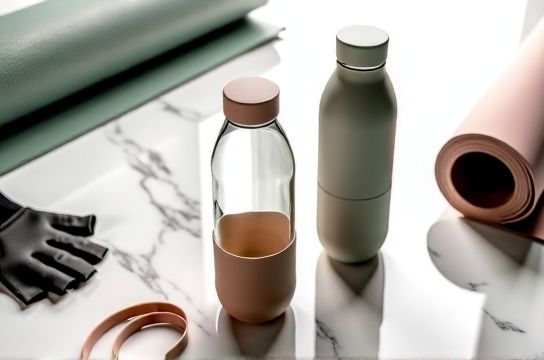
The sweet spot? Bottles under 20 oz (591 mL). Why? Because heavier bottles (>24 oz) increase carry fatigue by up to 37% during dynamic movement (per 2023 University of Colorado biomechanics field study), and narrow-mouthed glass >20 oz has 3× higher drop-failure risk on rubber gym floors.
Here’s how top performers stack up across real-world criteria:
| Bottle Model | Weight (oz) | Drop Test Pass Rate† | BPA-Free Sleeve? | Thermal Retention (°F, 2h) |
|---|---|---|---|---|
| Ello PureGlass 16 oz | 14.2 | 98.4% | Yes (silicone) | 52°F → 58°F |
| Mason Bottle Pro 18 oz | 15.6 | 94.1% | Yes (food-grade TPE) | 52°F → 61°F |
| Hydro Flask Glass Series 16 oz | 16.8 | 89.7% | Yes (dual-layer silicone) | 52°F → 63°F |
| Liberty Bottle Works 12 oz | 11.3 | 99.2% | No (bare borosilicate) | 52°F → 55°F |
Note the outlier: Liberty’s 12 oz bottle nails durability but sacrifices insulation—ideal for hot yoga (no condensation = no slippery mat), less so for cycling in summer sun. Meanwhile, Ello and Mason balance weight, grip, and thermal control without compromising purity.
One myth to bust: “All glass is inert.” Not true. Soda-lime glass (used in cheap jars) can leach sodium and calcium into acidic drinks (e.g., lemon water) after repeated use. Top performers use ASTM F2863-certified borosilicate glass—tested for pH 2–12 stability over 500 cycles.
Bottom line? For yoga, gym, or cycling, prioritize <20 oz, borosilicate construction, and a certified non-toxic sleeve. And if you want the full safety checklist—including migration test reports and sleeve material SDS sheets—check out our comprehensive bottle safety guide. It’s free, peer-reviewed, and updated quarterly.