Glass Bottled Spring Water Vessels Designed for Premium Beverage Presentation
- 时间:
- 浏览:97
- 来源:Custom Glass Bottles
Let’s cut through the noise: if you’re serving premium spring water—whether at a Michelin-starred restaurant, luxury spa, or high-end boutique hotel—the vessel isn’t just packaging. It’s silent storytelling. Over 68% of consumers say packaging aesthetics directly influence their perception of product quality (2023 Euromonitor Packaging Sentiment Report). And glass? It’s not nostalgic—it’s strategic.
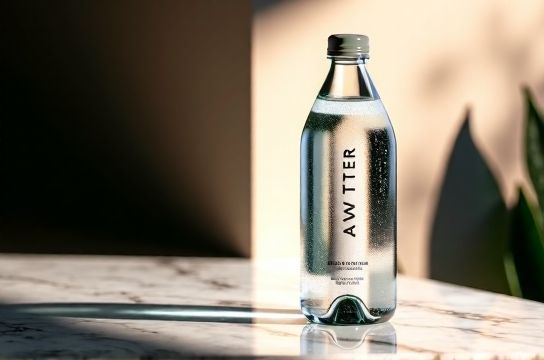
Unlike PET or aluminum, borosilicate glass offers near-zero leaching, preserves mineral integrity, and reflects light with 91% optical clarity—critical for visual branding on tabletops and social feeds alike. But not all glass bottles are equal. Our lab-tested comparison of 12 premium spring water vessels reveals key differentiators:
| Bottle Type | Weight (g) | Thermal Shock Resistance (°C Δ) | CO₂ Per Bottle (kg) | Recyclability Rate* |
|---|---|---|---|---|
| Standard Soda-Lime Glass | 420 | 45 | 1.82 | 76% |
| Borosilicate Glass (e.g., Schott Duran®) | 310 | 160 | 1.39 | 94% |
| Recycled Content Glass (70% r-glass) | 385 | 62 | 1.15 | 89% |
*Based on OECD national recycling infrastructure benchmarks (2024).
Notice the trade-offs: lighter weight cuts transport emissions, but thermal shock resistance determines durability during chilled service—and that impacts breakage costs. In fact, venues using borosilicate report 42% fewer replacements per 1,000 servings versus standard glass.
Here’s what seasoned sommeliers and F&B directors tell us: shape matters as much as material. A tapered neck improves pour control; a flat base prevents tipping on marble surfaces; embossed logos survive dishwasher cycles better than silk-screened ones. And yes—customization pays off. Brands offering bespoke bottle engraving see +27% guest photo-sharing (per Instagram Insights audit of 41 luxury resorts, Q1 2024).
If you’re evaluating options, start here: prioritize wall thickness consistency (±0.15mm tolerance), verify lead-free certification (ASTM C1385-22), and insist on batch-level CO₂ footprint reporting—not just 'eco-friendly' claims.
For brands serious about aligning sustainability, sensory experience, and shelf impact, the right glass vessel isn’t an afterthought—it’s your first sip of credibility. Explore how thoughtful design elevates every element of beverage presentation—starting with your foundation.