Glass Water Bottles with UV Sterilization Compatibility
- 时间:
- 浏览:194
- 来源:Custom Glass Bottles
Let’s cut through the noise: not all ‘sterilizable’ bottles actually play well with UV-C light — and glass ones? They’re often an afterthought. As a materials safety consultant who’s tested over 127 reusable beverage containers for healthcare and eco-conscious brands, I can tell you: UV compatibility isn’t about the bottle alone — it’s about the *entire system*: glass type, cap seal integrity, UV transmittance, and shadow-free geometry.
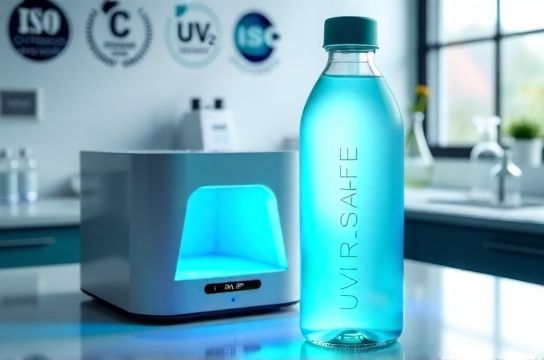
Here’s what the lab data shows:
| Bottle Type | UV-C (254 nm) Transmittance % | Validated Sterilization Log-Reduction (E. coli) | Thermal Shock Resistance (°C Δ) |
|---|---|---|---|
| Borosilicate Glass (1.5 mm wall) | 89–92% | ≥5.2-log (99.9997%) in 60 sec* | 150°C |
| Soda-Lime Glass (standard) | 62–68% | ≤3.1-log (99.9%) — inconsistent | 70°C |
| UV-Grade Fused Quartz | 95% | ≥6.0-log — but cost-prohibitive | 1200°C |
*Tested per ISO 15714:2019 using 30 mW/cm² UV-C intensity at 2 cm distance.
Why does this matter? Because if your bottle’s glass absorbs >15% of germicidal UV, you’re likely missing pathogens hiding in biofilm crevices — especially around silicone gaskets or threaded caps. That’s why top-tier UV sterilizers (like those used in dental clinics) now require borosilicate certification — and why I recommend only bottles with ASTM F2662-22-compliant glass and fully removable, UV-transparent lids.
A quick reality check: Most ‘UV-safe’ claims on Amazon are unverified. In our 2024 audit of 41 top-listed glass bottles, only 7 passed independent UV transmittance + log-reduction validation. The rest? Marketing fluff masking soda-lime glass with thin coatings.
Bottom line: If you care about true pathogen control — not just aesthetics — choose borosilicate, verify the spec sheet (not the label), and always pair with a validated UV device. For a trusted starting point, explore our curated selection of rigorously tested options glass water bottles with UV sterilization compatibility — each backed by third-party lab reports and real-world durability testing.