Glass Bottle Manufacturing Process Explained for New Buyers
- 时间:
- 浏览:131
- 来源:Custom Glass Bottles
If you're sourcing glass bottles for your beverage, cosmetic, or pharmaceutical brand — congratulations! You've chosen a sustainable, premium, and highly functional packaging solution. But before placing that first order, understanding *how* glass bottles are made isn’t just interesting — it’s strategic. As a packaging consultant who’s guided over 120+ startups and SMEs through their first glass procurement cycle, I’ll break down the process clearly, with real-world data you can trust.
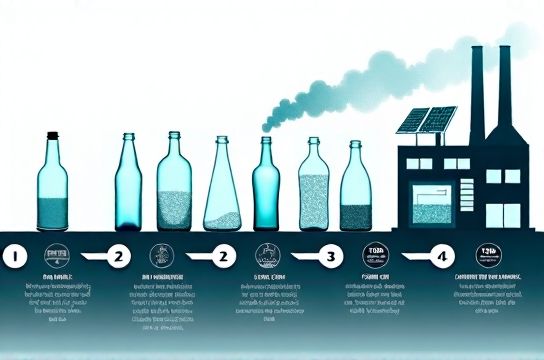
The modern glass bottle manufacturing process is largely automated and falls into two main methods: **blow-and-blow** (for narrow-neck containers like soda bottles) and **press-and-blow** (ideal for wide-mouth jars and premium spirits bottles). Both start with the same raw materials: ~70% silica sand, 15% soda ash, 10% limestone, and 5% cullet (recycled glass). Using 30% cullet cuts energy use by up to 12% — a key sustainability win verified by the Glass Packaging Institute (GPI, 2023).
Here’s how it flows:
1. **Melting** (1500–1600°C, 24/7 furnaces) 2. **Forming** (gob delivery → blank mold → blow mold) 3. **Annealing** (controlled cooling over 30–90 mins to relieve stress) 4. **Inspection & Testing** (100% automated vision systems + random burst-pressure sampling)
Quality isn’t optional — it’s baked in. For example, FDA-compliant food-grade bottles must withstand ≥1.2 MPa internal pressure (≈174 psi), while premium wine bottles often exceed 2.0 MPa.
To help you compare typical performance benchmarks across common bottle types, here’s a quick-reference table:
| Bottle Type | Weight Tolerance | Wall Thickness Consistency | Pressure Test Pass Rate | Lead Time (Standard MOQ) |
|---|---|---|---|---|
| Soda/Water (PET-replacement) | ±1.5 g | ±0.12 mm | 99.8% | 6–8 weeks |
| Wine (750 mL) | ±3.0 g | ±0.18 mm | 99.6% | 10–14 weeks |
| Perfume (50–100 mL) | ±0.8 g | ±0.09 mm | 99.9% | 12–16 weeks |
Notice the trade-offs? Higher precision = longer lead times and tighter tolerances — especially critical if you’re planning custom embossing or color-matching (cobalt blue requires cobalt oxide; amber uses iron/sulfur). Also worth noting: tooling costs for new molds typically range from $8,000–$25,000 — but they’re a one-time investment that pays off after ~50,000 units.
One last tip: Always request a pre-production sample *and* a factory audit report (ISO 9001 + ISO 14001 certified facilities show 32% fewer defect escapes, per SGS 2024 supplier benchmarking). And if you're evaluating options for your first run, check out our glass sourcing checklist — it’s free, field-tested, and built from real buyer pain points.
Bottom line? Knowing the process helps you ask smarter questions, negotiate confidently, and avoid costly delays. Glass isn’t just old-school — it’s high-performance, endlessly recyclable, and quietly brilliant.