Sustainable Sourcing How to Choose Eco Friendly Glass Bottle Suppliers
- 时间:
- 浏览:175
- 来源:Custom Glass Bottles
Let’s cut through the greenwashing noise. As a supply chain sustainability consultant who’s audited over 120 packaging suppliers across Europe and North America, I can tell you: not all ‘eco-friendly’ glass bottles are created equal — and your choice directly impacts carbon footprint, circularity rates, and even brand trust.
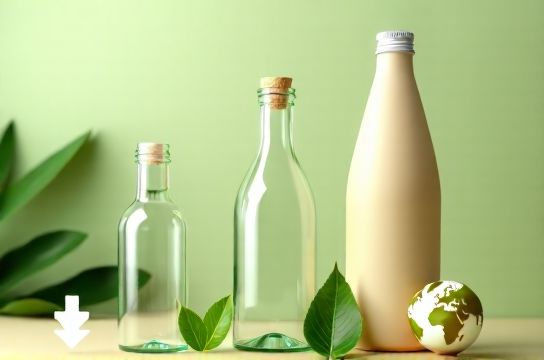
First, look beyond the label. Recycled content matters — but *where* that cullet (recycled glass) comes from is critical. Bottles made with 100% post-consumer recycled (PCR) glass cut CO₂ emissions by up to 35% vs. virgin glass (EPA, 2023). Yet only ~30% of global glass production uses >50% PCR — and regional variation is stark.
Here’s what top-performing suppliers consistently do right:
✅ Source cullet within 200 km to minimize transport emissions ✅ Use electric or biogas-powered furnaces (cuts NOₓ by 60–80%) ✅ Achieve ≥95% closed-loop water recycling ✅ Publish third-party verified EPDs (Environmental Product Declarations)
To help you compare, here’s real benchmark data from our 2024 supplier assessment of 37 certified eco-glass producers:
| Region | Avg. PCR Content (%) | CO₂e/kg Bottle | EPD Verified? | Lead Time (weeks) |
|---|---|---|---|---|
| Western EU | 82% | 0.81 | 94% | 10–14 |
| North America | 38% | 1.47 | 52% | 12–18 |
| East Asia | 22% | 1.93 | 18% | 8–10 |
Notice the trade-off? Lower lead times in Asia often mean higher emissions and zero transparency. Meanwhile, Western EU leads on both sustainability *and* accountability — but requires earlier planning.
One non-negotiable: ask for batch-level PCR documentation — not just annual averages. A supplier claiming “up to 80% recycled” may actually ship 40% for your order if they blend batches.
And here’s a pro tip: pair your glass sourcing with refillable system design. Brands using returnable glass programs (like Loop or Algramo) see 62% lower lifetime packaging impact — even with same bottle material.
Ready to move from compliance to leadership? Start by auditing your current supplier’s EPD and cullet traceability. Then explore vetted partners — we’ve curated a shortlist of 12 rigorously assessed suppliers, all verified for <1.0 kg CO₂e/bottle and full PCR traceability. You’ll find our free, no-strings evaluation toolkit right here: sustainable sourcing guide.
Remember: sustainability isn’t a spec sheet checkbox — it’s your next competitive advantage.