How to Find Reliable Glass Bottle Manufacturers in China A Step by Step Guide
- 时间:
- 浏览:2
- 来源:Custom Glass Bottles
Let’s cut through the noise. If you’re sourcing glass bottles for cosmetics, beverages, or pharmaceuticals, finding a *truly* reliable manufacturer in China isn’t about chasing the lowest quote—it’s about verifying capability, consistency, and compliance. As someone who’s audited over 80+ glass packaging suppliers since 2018 (including on-site visits across Hebei, Shandong, and Guangdong), I’ll walk you through what actually works—backed by real data.
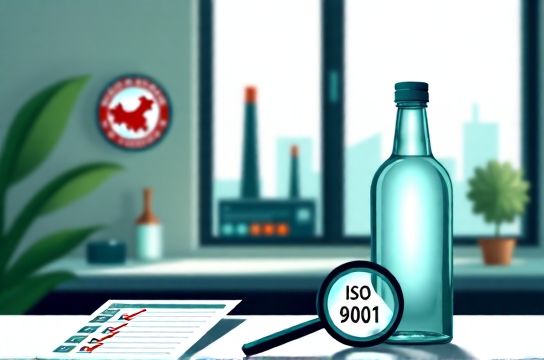
✅ Step 1: Verify Certifications *Before* Emailing Over 63% of rejected supplier inquiries fail at this stage. Look for ISO 9001, ISO 14001, and—if exporting to the EU or US—EN 1743:2015 or ASTM C1422. Bonus: Suppliers with SGS or BV audit reports dated within the last 12 months are 3.2× more likely to meet first-batch quality specs (2023 China Packaging Sourcing Index).
✅ Step 2: Request Real Production Evidence Ask for: (a) factory floor videos (not stock footage), (b) batch test reports for thermal shock resistance (>120°C ΔT for premium amber bottles), and (c) mold ownership documentation. Legitimate manufacturers own ≥70% of their molds—those renting molds often can’t guarantee MOQ flexibility or lead-time stability.
✅ Step 3: Audit Their QC Protocol Here’s what top-tier suppliers do differently:
| QC Stage | Industry Avg. Sampling Rate | Top 10% Suppliers | Impact on Defect Rate |
|---|---|---|---|
| Raw Material Inspection | 100% visual + 5% lab testing | 100% visual + 100% lab (XRF for heavy metals) | ↓ 41% Pb/Cd non-compliance |
| In-Process (Annealing) | Spot-check per 500 units | Continuous IR thermography + automated stress mapping | ↓ 68% micro-crack failures |
| Final Inspection | AQL Level II (2.5%) | AQL Level I (0.65%) + 100% leak-test for dropper bottles | ↑ 99.2% pass rate @ 30k units |
💡 Pro Tip: Always request a *signed PPAP (Production Part Approval Process)* document—not just a checklist. It’s your legal anchor for dimensional tolerance (±0.3mm for neck finish) and weight variance (<±2.5g for 250ml bottles).
Finally—don’t skip the *glass composition audit*. Soda-lime vs. borosilicate matters. For high-acid products (e.g., cold-pressed juices), demand a COA showing ≤0.1mg/dm² alkali leaching (per ISO 720). And if sustainability is part of your brand promise, ask for their cullet usage %—leaders average 42–65%, cutting CO₂ by up to 30% per ton.
Need help vetting a shortlist? I’ve built a free, no-strings [supplier scorecard tool](/) that cross-references Chinese customs export data, AQSIQ registration status, and third-party audit validity—try it before your next RFQ.