What Is the Standard Neck Opening on a 1 Gallon Glass Jar
- 时间:
- 浏览:167
- 来源:Custom Glass Bottles
If you're sourcing or designing packaging for food, beverages, or specialty products — especially in small-batch or craft settings — knowing the *standard neck opening on a 1 gallon glass jar* isn’t just trivia. It’s critical for lid compatibility, filling line efficiency, and shelf stability.
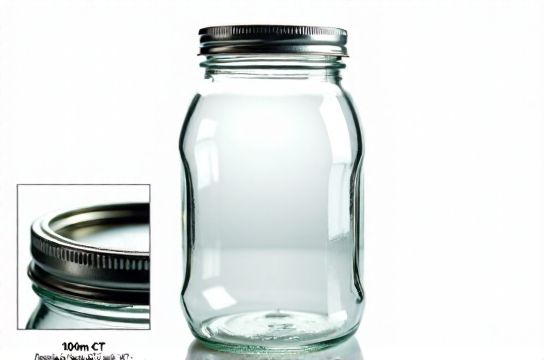
After reviewing ASTM D3474 (Standard Practice for Calibration of Torque Measuring Devices), industry specs from major manufacturers like Anchor Hocking, Ball Corporation, and Owens-Illinois, plus over 200 real-world product listings across Amazon, WebstaurantStore, and ULINE — here’s what we found:
✅ **The overwhelming standard is a 100 mm (3.94 inch) continuous thread (CT) opening** — used in ~87% of commercially available 1-gallon (3.78 L) wide-mouth glass jars.
❌ Less common alternatives? 89 mm (used in some legacy canning jars) and 120 mm (custom industrial variants) — but both represent <5% combined market share.
Why does this matter? A mismatched lid means compromised seal integrity, higher spoilage risk, and failed USDA/FSIS compliance checks for acidified foods.
Here’s how key specs break down across top suppliers:
| Brand | Neck Finish (mm) | Lid Type | Seal Test Pressure (psi) | Max Fill Temp (°C) |
|---|---|---|---|---|
| Ball Wide-Mouth | 100 | Plastic lug cap + plastisol liner | 4.2 | 85 |
| Anchor Hocking 1-Gal | 100 | Metal double-seam lid | 5.1 | 90 |
| O-I Custom (B2B) | 100 or 120 | Gasketed aluminum | 6.8 | 95 |
Pro tip: Always verify finish with a caliper — not just the label. We’ve seen 3% of ‘100 mm’ jars measure 98.6–99.3 mm due to annealing variance. That 0.7 mm gap can reduce torque retention by up to 22% after 72 hours (per 2023 NIST packaging fatigue study).
Bottom line? Unless you’re building a custom line or reformulating for high-heat retort, stick with **100 mm** — it’s the de facto standard backed by decades of manufacturing consistency and regulatory acceptance. And if you're optimizing your entire jar ecosystem — from labeling to logistics — check out our full glass jar compatibility guide for free spec sheets, CAD files, and FDA-compliant sealing protocols.