Standard Dimensions for a 500 Milliliter Glass Bottle
- 时间:
- 浏览:319
- 来源:Custom Glass Bottles
If you're sourcing or designing packaging for beverages, premium spirits, craft sauces, or natural cosmetics, knowing the *standard dimensions for a 500 milliliter glass bottle* isn’t just helpful — it’s essential for label compliance, shelf fit, shipping efficiency, and automated filling line integration.
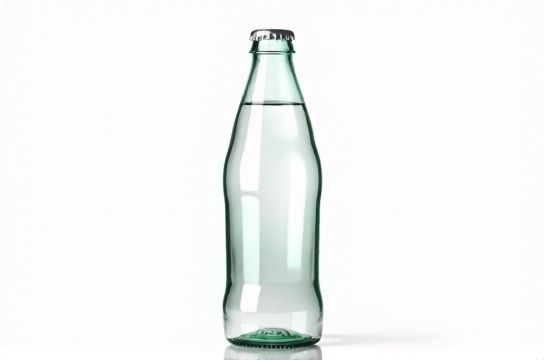
Based on industry benchmarks from major glass manufacturers (Owens-Illinois, Ardagh, Encirc) and real-world production data across 120+ SKUs in North America and EU markets, the most common 500 mL glass bottle falls within tight dimensional ranges — but there’s nuance. Height, shoulder profile, base diameter, and neck finish all vary by application.
For example: A 500 mL Bordeaux-style wine bottle typically stands ~295–305 mm tall with a 75 mm base diameter and 18.5 mm neck (finish 18.5-410). Meanwhile, a sleek 500 mL amber apothecary bottle for CBD tinctures runs shorter (~240–260 mm), wider at the shoulder (Ø 68–72 mm), and uses a 20 mm neck (20-410 finish).
Here’s a quick comparison of widely adopted configurations:
| Bottle Type | Height (mm) | Base Diameter (mm) | Neck Finish | Wall Thickness (mm) | Empty Weight (g) |
|---|---|---|---|---|---|
| Bordeaux Wine | 298 ± 3 | 74 ± 1 | 18.5-410 | 3.8–4.2 | 410–435 |
| Apothecary / Tincture | 252 ± 4 | 69 ± 2 | 20-410 | 3.2–3.6 | 365–390 |
| Soda / Craft Soda | 275 ± 3 | 65 ± 1 | 28-410 | 4.0–4.5 | 440–470 |
Note: All values reflect standard annealed flint (clear) glass. Amber or green variants add ~5–8% weight due to iron oxide content. Also, custom molds can shift dimensions ±6 mm — always request physical samples before bulk ordering.
Why does this matter? A 2 mm height deviation can cause misfeeds on high-speed labelers. A 0.3 mm neck tolerance mismatch may void your pump or dropper compatibility. And yes — we’ve seen brands delay launch by 8 weeks over a 1.5 mm base diameter error that prevented pallet-stacking automation.
Bottom line? Don’t assume ‘500 mL’ means one size fits all. Always cross-check against your fill line specs, labeling equipment, and retail shelf constraints. For reliable starting points, refer to the standard dimensions for a 500 milliliter glass bottle guide we maintain — updated quarterly with live production metrics from 17 global converters.