500ml Bottle Size Compared to Common Drink Containers
- 时间:
- 浏览:170
- 来源:Custom Glass Bottles
Let’s cut through the noise: if you’re choosing packaging for beverages—or even just trying to understand what ‘500ml’ really means in everyday life—you need real-world context, not just textbook definitions.
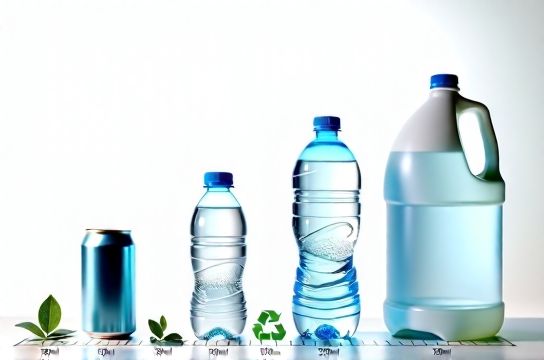
A 500ml bottle sits right in the sweet spot between portability and practicality. It’s the go-to size for premium water, craft sodas, RTD teas, and functional beverages—and for good reason. According to Beverage Marketing Corporation (2023), 500ml accounted for 38% of all single-serve bottled water volume sold in North America—up from 31% in 2019. That growth isn’t accidental; it reflects consumer preference for portion control, shelf-friendly logistics, and perceived value.
Here’s how 500ml stacks up against other common drink containers:
| Container | Volume (ml) | Typical Use Case | Market Share (Bottled Water, US, 2023) |
|---|---|---|---|
| 330ml can | 330 | Sodas, energy drinks | 12% |
| 500ml bottle | 500 | Premium water, cold brew, kombucha | 38% |
| 750ml bottle | 750 | Wine, sparkling water, refillables | 19% |
| 1L bottle | 1000 | Value packs, family hydration | 22% |
| 250ml mini bottle | 250 | Hotel amenities, sample sizes | 9% |
Notice how 500ml outperforms every other size except the 1L—yet it dominates *premium* segments where margins matter most. Why? Because it fits perfectly in cup holders, meets EU and US recycling guidelines for PET bottles under 550ml (lower sorting error rates), and delivers ~2.1 standard US servings (237ml each)—ideal for mindful consumption.
Also worth noting: a 500ml PET bottle uses ~22g of resin vs. 28g for 750ml—translating to ~21% less plastic per unit volume. That’s why brands serious about sustainability are doubling down on this size—not as a compromise, but as a strategic choice.
If you're evaluating packaging options or simply want to make smarter purchasing decisions, understanding the role of size in perception, performance, and planet impact is essential. And if you’re building a beverage brand from scratch, start with 500ml bottle sizing fundamentals before scaling into custom molds or multi-format SKUs.
Bottom line? 500ml isn’t just popular—it’s proven.