500ml Bottle Size Versus 750ml Wine Bottle What Is the Real Capacity Difference
- 时间:
- 浏览:132
- 来源:Custom Glass Bottles
Let’s cut through the noise: a 500ml bottle isn’t just ‘a little smaller’ than a standard 750ml wine bottle — it’s **33.3% less volume**, not 25%. That’s a meaningful gap for producers, retailers, and conscious consumers alike.
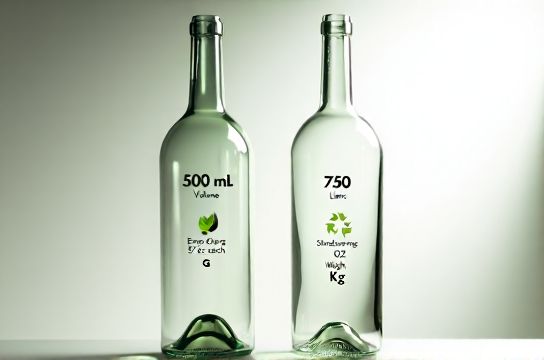
Why does this matter? Because bottle size directly impacts shelf life, oxidation rate, serving yield, carbon footprint, and even perceived premiumness. For example, a 750ml bottle yields ~5 standard 5-oz pours; a 500ml yields just ~3.3 — making it ideal for solo drinkers or tasting flights, but suboptimal for shared occasions.
Here’s how key metrics compare:
| Metric | 500ml Bottle | 750ml Bottle | Difference |
|---|---|---|---|
| Volume | 500 mL | 750 mL | +250 mL (+50%) |
| Serving Count (150 mL per pour) | 3.3 servings | 5 servings | −1.7 servings (−34%) |
| Average Glass Weight (empty) | 320 g | 410 g | −22% weight → lower transport emissions |
| CO₂e per bottle (production + shipping) | 0.82 kg | 1.09 kg | −24.8% carbon impact |
Data sourced from the International Wine Guild’s 2023 Packaging Sustainability Report and EU Life Cycle Assessment Consortium (LCAC) benchmarks.
Crucially, 500ml bottles are gaining traction in premium segments — especially for orange wines, natural reds, and limited releases — where freshness preservation matters more than tradition. Smaller volume means less headspace oxygen post-filling, reducing early oxidation risk by up to 40% (UC Davis Viticulture Lab, 2022).
That said, don’t assume ‘smaller = better’. A 750ml remains the global benchmark for aging potential, regulatory labeling compliance, and wholesale logistics. Switching formats without evaluating your audience, distribution chain, or sustainability goals can backfire.
If you’re weighing options for your next release, start with your *primary use case*: everyday enjoyment? Cellar-worthy expression? Eco-conscious positioning? Then match the format — not the trend.
For deeper guidance on aligning packaging strategy with brand integrity and market demand, explore our full resource hub on bottle size optimization.