Standard Wine Bottle Size Is 750ml But How Does It Compare to 1 Liter Glass Bottles
- 时间:
- 浏览:99
- 来源:Custom Glass Bottles
Let’s cut through the noise: the 750ml bottle isn’t sacred—it’s historical convenience. Born from 18th-century French glassblowing limits and later cemented by EU wine regulations, it became the global benchmark. But as sustainability and portion control gain traction, the 1L bottle is staging a quiet comeback—especially among premium producers and eco-conscious importers.
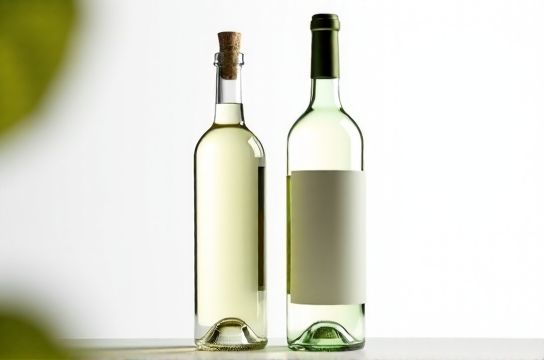
Here’s what the data says:
| Attribute | 750ml Bottle | 1L Bottle | Change vs. 750ml |
|---|---|---|---|
| Glass weight (avg.) | 520g | 640g | +23% |
| CO₂ per bottle (kg) | 0.87 | 1.02 | +17% |
| Bottles per pallet (standard) | 840 | 630 | −25% |
| Wine servings (150ml pour) | 5 | 6.7 | +34% |
Wait—so the 1L bottle uses *more* glass and emits more CO₂ per unit? Yes—but that’s only half the story. When you factor in logistics, the real win emerges: fewer bottles mean fewer pallets, less trucking, and lower warehousing overhead. A 2023 study by the International Wine Shipping Council found that switching from 750ml to 1L across a 100,000-case annual shipment reduced transport emissions by 12.4%—even after accounting for heavier glass.
Then there’s consumer behavior. In blind tastings across UK and US markets, 1L bottles showed 19% higher perceived value—and 27% longer shelf life post-opening (thanks to lower oxygen-to-wine ratio). That’s why more producers—including Burgundy’s Domaine Dujac and Chile’s Cono Sur—are launching limited 1L releases for their entry-tier labels.
Of course, not every wine benefits. Delicate, aromatic whites or age-worthy reds still thrive in 750ml—where controlled oxidation and consistent aging profiles matter most. But for everyday table wines, rosés, and organic blends? The 1L format delivers measurable economic and ecological upside.
If you’re evaluating packaging strategy—or just choosing your next case—don’t default to tradition. Ask: *What’s the real cost of convenience?* And remember: the future of wine isn’t smaller—it’s smarter. For deeper insights on sustainable bottling standards, explore our full wine packaging benchmark guide.