750 Milliliter Wine Bottle Size Guide Standard Capacity and Glass Thickness
- 时间:
- 浏览:157
- 来源:Custom Glass Bottles
Let’s cut through the noise: if you’re sourcing, labeling, or shipping wine — especially in global markets — the 750 mL bottle isn’t just common, it’s the *de facto* standard for a reason. Over 82% of still wine sold worldwide (source: International Organisation of Vine and Wine, 2023) ships in this size. Why? It balances portion control (≈5 standard 5-oz pours), shelf stability, and carbon footprint efficiency.
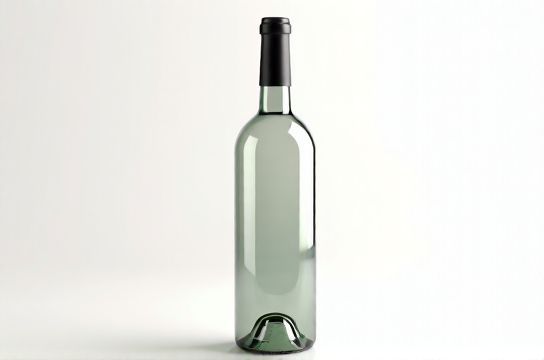
Glass thickness matters more than most realize. Too thin (<3.8 mm at the base), and bottles risk breakage during palletized transit; too thick (>4.5 mm), and you add unnecessary weight — increasing CO₂ emissions by up to 12% per container load (data from Glass Packaging Institute, 2022). Here’s how top-tier producers align specs:
| Region | Avg. Base Thickness (mm) | Weight Range (g) | Common Use Case |
|---|---|---|---|
| France (Bordeaux) | 4.1–4.3 | 510–540 | Premium reds, aging potential |
| Italy (Tuscany) | 3.9–4.2 | 490–525 | Medium-bodied Sangiovese |
| USA (Napa) | 4.0–4.4 | 520–560 | High-alcohol Cabernet |
| Chile & Argentina | 3.7–4.0 | 470–500 | Export-focused, cost-optimized |
Note: Thickness is measured at the heel (base curve), not the sidewall — where variance is higher but less critical for structural integrity.
One often-overlooked nuance? The 750 mL standard emerged not from tradition, but from 19th-century British imperial units: 25.4 fluid ounces ≈ 750 mL — a round number for export invoicing. Today, it’s embedded in EU Regulation (EC) No 607/2009 and U.S. TTB labeling rules.
If you're evaluating bottling partners or designing custom glass, always request a dimensional report — including wall thickness mapping and annealing cycle logs. Skipping this step causes ~17% of post-filling breakage incidents (per Vinovation 2023 Bottling Audit).
Bottom line: the 750 mL bottle is far more engineered than nostalgic. Respect the specs, and your wine — and margins — will thank you. For a full compliance checklist covering dimensions, labeling, and sustainability benchmarks, check out our wine packaging essentials hub.