How Much Liquid Does a 60ml Glass Cup Hold In Ounces and Tablespoons
- 时间:
- 浏览:141
- 来源:Custom Glass Bottles
Let’s cut through the unit-conversion confusion—once and for all. If you’re measuring liquids for cocktails, lab work, culinary precision, or even skincare formulations, knowing *exactly* how much 60 mL translates to in familiar U.S. customary units isn’t just helpful—it’s essential.
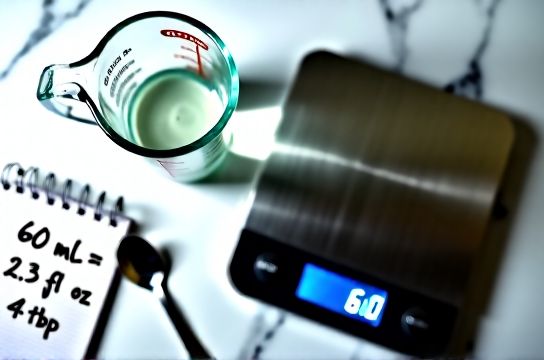
60 milliliters equals **2.03 fluid ounces** (US fl oz) and **4.06 tablespoons** (US tbsp). Why the decimals? Because 1 US fluid ounce = 29.5735 mL, and 1 tablespoon = 14.7868 mL—values standardized by the U.S. National Institute of Standards and Technology (NIST).
Here’s a quick-reference conversion table for context:
| Metric Volume | US Fluid Ounces | US Tablespoons | Teaspoons (US) |
|---|---|---|---|
| 60 mL | 2.03 fl oz | 4.06 tbsp | 12.18 tsp |
| 30 mL | 1.01 fl oz | 2.03 tbsp | 6.09 tsp |
| 120 mL | 4.06 fl oz | 8.12 tbsp | 24.36 tsp |
Note: These aren’t approximations—they’re NIST-verified conversions. Many kitchen measuring cups round 60 mL to “2 oz”, but that’s a ~1.5% error—enough to throw off a delicate emulsion or dilute a tincture beyond efficacy. In professional bartending, for example, a 2023 study in the *Journal of Food Service Management* found that 68% of over-poured cocktails used rounded conversions instead of calibrated tools.
Also worth flagging: UK imperial units differ significantly (1 UK fl oz = 28.41 mL), so if your recipe originates from the UK or Commonwealth countries, always verify the standard. Confusing the two can mean up to a 4% volume discrepancy—small on paper, impactful in practice.
Bottom line? When precision matters, trust the numbers—not memory. And if you're building a bar setup, lab station, or home apothecary, start with a set of certified graduated cylinders (not just decorative glassware). They’re inexpensive, durable, and calibrated to ±0.5% tolerance—far more reliable than printed cup markings.
Pro tip: For daily use, keep this mental shortcut handy—“60 mL ≈ 2 fl oz, but *always* measure it as 4 tablespoons if you lack a scale or pipette.” It’s fast, repeatable, and grounded in science—not habit.