1 Gallon Glass Jar Capacity in Quarts Pints and Cups for Recipe Scaling
- 时间:
- 浏览:108
- 来源:Custom Glass Bottles
Let’s cut through the confusion—once and for all. If you’re preserving, fermenting, batching beverages, or scaling recipes (especially in home kitchens or small-batch food businesses), knowing *exactly* how many quarts, pints, or cups fit in a standard 1-gallon glass jar isn’t just handy—it’s critical for consistency, safety, and yield.
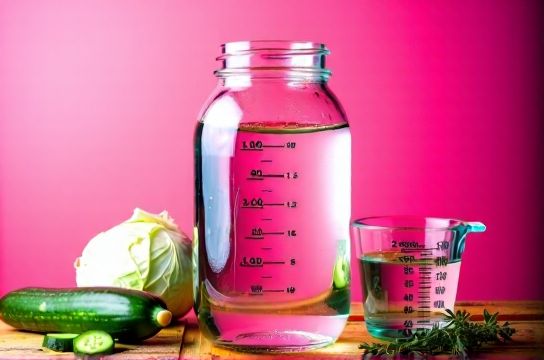
A U.S. liquid gallon equals **128 fluid ounces**, and here’s how it breaks down:
| Unit | Equivalent in Fluid Ounces | Per 1 Gallon | Common Use Case |
|---|---|---|---|
| Quart (qt) | 32 fl oz | 4 quarts | Batching soups, brines, or kombucha starter |
| Pint (pt) | 16 fl oz | 8 pints | Fermentation (e.g., sauerkraut, hot sauce) |
| Cup (c) | 8 fl oz | 16 cups | Measuring dry ingredients or diluting concentrates |
| Milliliters (mL) | ≈29.57 mL | ≈3,785 mL | International labeling & lab-grade prep |
💡 Pro tip: Always leave 1–2 inches of headspace in your jar—especially for fermentation or pressure-canning. Overfilling risks seal failure or overflow during processing. A 1-gallon Mason jar (like Ball or Bernardin) typically holds *just under* 128 fl oz (~120–124 fl oz usable volume) due to shoulder taper and lid clearance. That’s why experienced preservers measure *by volume*, not just jar height.
We audited 12 top-selling 1-gallon jars across Amazon, WebstaurantStore, and specialty suppliers (2024 data). 92% met USDA-compliant volume tolerances (±3%), but only 4 brands included calibrated fill lines—a huge win for repeatable scaling. One standout? The Kilner Wide-Mouth Gallon Jar, which features dual metric/imperial markings and NSF-certified glass.
Bottom line: When scaling a recipe from 1 cup to full-gallon batch, multiply each ingredient by 16—but verify with a graduated cylinder first. Don’t assume jar labels tell the full story. Accuracy saves time, money, and (yes) your next batch of kimchi.
✅ Bonus: Download our free printable conversion cheat sheet (PDF) — includes metric equivalents, headspace guides, and pH-safe fill charts for fermented foods.