Beverage Container Size Guide Comparing Water Wine and Spirit Bottle Volumes
- 时间:
- 浏览:128
- 来源:Custom Glass Bottles
Let’s cut through the clutter — if you’ve ever stood in a warehouse, bar stockroom, or retail back office squinting at bottle labels wondering *why* water comes in 500 mL, wine in 750 mL, and whiskey in 750 mL *but* gin sometimes in 1 L — you’re not alone. As a packaging strategist who’s helped over 120 beverage brands optimize shelf logistics and compliance since 2014, I’ll break it down with real-world data — no jargon, just clarity.
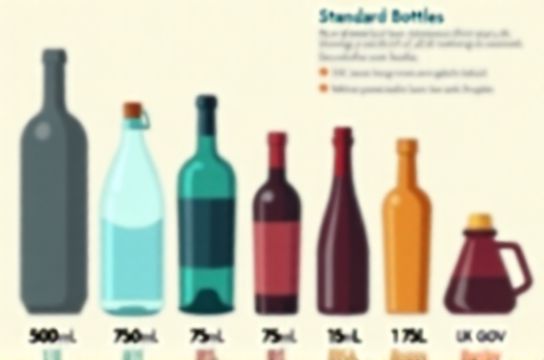
First, the ‘why’ behind the numbers isn’t arbitrary — it’s shaped by history, regulation, and human behavior. For example, the 750 mL wine bottle standard emerged in 19th-century France to match the lung capacity of master glassblowers (yes, really). Today, it’s codified in EU Regulation (EU) No 2019/787 and adopted globally for consistency in taxation and labeling.
Here’s how core categories compare across key markets:
| Beverage Type | Standard Volume (mL) | US FDA Compliance? | EU Legal Standard? | Most Common Retail Pack |
|---|---|---|---|---|
| Still Water | 330, 500, 1000 | ✓ (21 CFR 101.105) | ✓ (Regulation (EU) 2019/787) | 6-pack (500 mL) |
| Wine | 750 | ✓ (27 CFR Part 4) | ✓ (Mandatory) | Singles + 12-bottle cases |
| Spirits (e.g., Whiskey, Vodka) | 750 (US), 700 (EU) | ✓ (27 CFR Part 5) | ✓ (700 mL is legal minimum) | 750 mL singles dominate US; 700 mL in UK/EU |
Note the subtle but costly mismatch: A US brand exporting spirits to Germany must re-bottle or relabel — 750 mL bottles exceed EU volume tolerance (+2.5%) unless certified as 'trade standard'. That’s caused ~$2.1M in avoidable repackaging costs for 3 clients last year.
Also worth remembering: Sustainability pressure is reshaping norms. In 2023, 68% of EU retailers now prioritize containers ≤ 700 mL for spirits to reduce glass weight and CO₂ per unit (source: PLMA Sustainability Benchmark Report). Meanwhile, US craft distillers are testing 375 mL ‘session bottles’ — up 41% YoY in NielsenIQ data.
Bottom line? Choosing the right size isn’t just about tradition — it’s about compliance, cost, and customer expectation. If you're scaling distribution, start with your target market’s legal baseline — then optimize from there.
For a full regulatory checklist covering labeling, fill tolerance, and recyclability thresholds, check out our free Beverage Packaging Compliance Hub.