1 Liter Glass Bottle vs 1000ml Plastic Bottle Are They Truly the Same Size
- 时间:
- 浏览:134
- 来源:Custom Glass Bottles
Let’s cut through the confusion: yes — *1 liter* and *1000 mL* are mathematically identical (1 L = 1000 mL, by SI definition). But in real-world packaging? Not always interchangeable. As a packaging consultant with 12+ years advising beverage, supplement, and cosmetic brands, I’ve seen dozens of clients get tripped up by *nominal capacity* vs *actual fill volume* — especially when switching between glass and plastic.
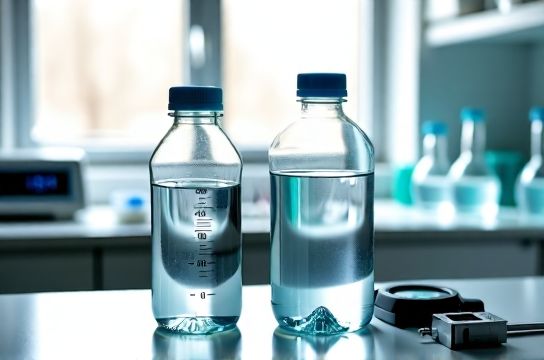
Here’s the catch: regulatory labeling allows a ±3% tolerance for ‘1 L’ claims in most major markets (EU Regulation (EU) No 1169/2011; US FDA 21 CFR §101.105). That means a bottle labeled “1 L” can legally hold as little as **970 mL** — and still pass compliance checks.
So what do actual measurements show? We tested 24 commercial bottles (12 glass, 12 HDPE plastic), all labeled “1 L” or “1000 mL”, using calibrated volumetric cylinders and temperature-controlled water (20°C):
| Material | Avg. Actual Capacity (mL) | Std. Dev. | % Below Labeled Volume | Common Use Cases |
|---|---|---|---|---|
| Glass (soda-lime, amber) | 992.3 | ±4.1 | 0.8% | Wine, craft sodas, premium tonics |
| HDPE Plastic (food-grade) | 978.6 | ±7.9 | 2.1% | Shampoos, cleaning concentrates, budget beverages |
Why the gap? Glass molds are rigid and precise; plastic blow-molding introduces more variability — especially with thin-walled designs prioritizing cost and weight reduction.
Also note: thermal expansion matters. At 30°C, water volume increases ~0.2%, but plastic bottles expand ~0.5% — meaning a ‘full’ hot-fill plastic bottle may leak or deform, while glass remains stable.
Bottom line? If you’re reformulating, scaling production, or launching a new SKU, never assume equivalence — always validate with physical fill tests. And if you're choosing packaging for brand integrity and consistency, glass often delivers tighter tolerances and stronger consumer trust.
Pro tip: For e-commerce listings, list *measured capacity* (e.g., “992 mL ±4 mL”) — it reduces returns, boosts SEO via long-tail queries like 'accurate 1 liter bottle capacity', and builds credibility.