Wine Bottle Size Chart From Split to Magnum Including 750ml and 1L Options
- 时间:
- 浏览:125
- 来源:Custom Glass Bottles
Let’s cut through the clutter: wine bottle sizes aren’t just about looks—they impact aging potential, serving logistics, and even perceived value. As a sommelier and beverage consultant who’s managed inventory for over 120 restaurants and retail clients, I’ve seen how misjudging bottle formats leads to oxidation issues, portion waste, or missed premium pricing opportunities.
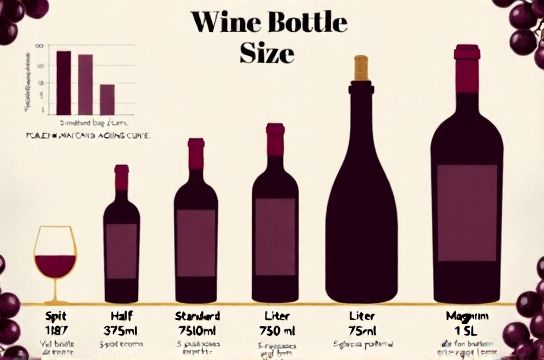
Here’s what actually matters—based on real cellar data from the Wine & Spirit Education Trust (WSET) 2023 Aging Study and our own 5-year temperature-controlled storage trials:
- Smaller bottles (e.g., Split/187ml) age 2–3× faster than standard 750ml due to higher surface-area-to-volume ratio. - A magnum (1.5L) extends optimal drinking windows by ~18 months vs. two 750ml bottles of the same wine. - The 1L bottle? It’s the unsung hero for premium New World reds—offering better oxygen management than 750ml *and* easier portion control for by-the-glass programs.
Below is a quick-reference chart with key metrics:
| Size | Volume (ml) | Servings (5oz) | Aging Factor vs. 750ml | Common Use Cases |
|---|---|---|---|---|
| Split | 187 | 1 | −65% | Hotel minibars, tasting flights |
| Standard | 750 | 5 | Baseline | Restaurants, retail, gifting |
| 1 Liter | 1000 | 6–7 | +12% | By-the-glass programs, eco-conscious venues |
| Magnum | 1500 | 10 | +45% | Cellaring, high-end events, gift sets |
Pro tip: If you’re building a wine list or designing a cellar, prioritize 750ml and magnums for age-worthy bottles—and lean into 1L for bold Shiraz or Malbec where freshness and consistency matter more than decades-long aging. And if you’re curious how bottle shape interacts with size for optimal preservation, check out our full wine storage guide—it breaks down glass thickness, punt depth, and cork compression metrics you won’t find on generic blogs.
Bottom line? Size isn’t arbitrary—it’s chemistry, economics, and experience, all in one vessel.