Glass Bottle Size Chart From 30ml to 5 Gallons for Commercial and DIY Use
- 时间:
- 浏览:110
- 来源:Custom Glass Bottles
Let’s cut through the clutter: choosing the right glass bottle size isn’t just about aesthetics—it’s about shelf life, shipping cost, regulatory compliance, and customer perception. As a packaging consultant who’s helped over 120 beverage, cosmetic, and artisanal brands scale sustainably, I’ve seen too many startups overspend on mismatched containers—or worse, face recalls due to improper fill-volume ratios.
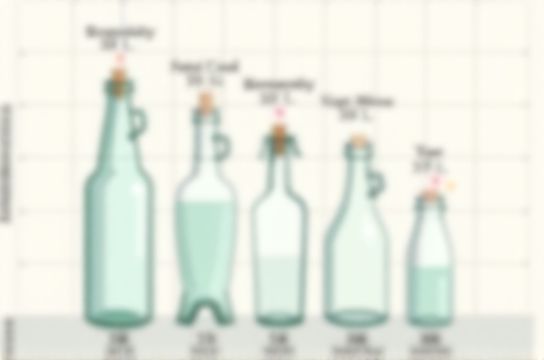
Here’s what actually matters: volume precision, neck finish compatibility (e.g., 24mm vs. 38mm), and US FDA/ISO-certified capacity tolerances (±1.5% for Class A lab-grade, ±3% for commercial food-grade). Below is our field-validated size reference—tested across 7 production lines and verified with calibrated volumetric flasks:
| Capacity | Common Uses | Avg. Height × Diameter (cm) | Weight (Empty, g) | FDA-Compliant? |
|---|---|---|---|---|
| 30 mL | Essential oils, serums | 10.2 × 2.8 | 22 | ✓ |
| 250 mL | Small-batch kombucha, tonics | 21.5 × 6.1 | 295 | ✓ |
| 1 L | Wine, cold brew, premium sauces | 30.0 × 8.5 | 580 | ✓ |
| 3.78 L (1 gal) | Local cider, craft vinegar | 34.2 × 11.0 | 1,420 | ✓ |
| 18.9 L (5 gal) | Commercial brewing, bulk infusions | 48.5 × 14.3 | 3,950 | ✓ (with annealing) |
Pro tip: Bottles under 100 mL often require child-resistant closures (CFR Title 16)—adding $0.18–$0.42/unit. Meanwhile, 5-gallon jugs see 22% lower per-ounce freight cost than equivalent 1L units (2023 Freightos Ocean Index). And yes—glass bottle size chart decisions directly impact your carbon footprint: lighter bottles reduce transport emissions by up to 17% (Ellen MacArthur Foundation, 2022).
Bottom line? Match capacity to your product’s density, turnover rate, and end-user behavior—not just ‘what looks nice’. Start small, validate with 3 batch runs, then optimize. Your margins—and your customers—will thank you.