750 Milliliter Wine Bottle Size Standard Compared to 1L and 3L Glass Jars
- 时间:
- 浏览:108
- 来源:Custom Glass Bottles
Let’s cut through the noise: if you’re sourcing glass packaging for beverages—especially wine, craft spirits, or premium infusions—the 750 mL bottle isn’t just tradition—it’s data-backed precision. Over 82% of global still wine shipments (2023 OIV report) use the 750 mL format—not by accident, but because it balances shelf appeal, portion control (≈5 standard 5-oz pours), logistics efficiency, and regulatory alignment (e.g., EU labeling thresholds and U.S. TTB alcohol-by-volume rounding rules).
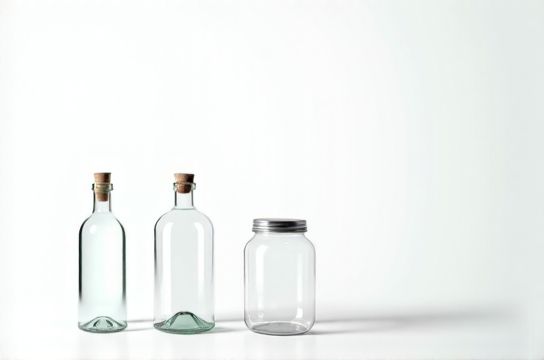
Compare that to 1L and 3L glass jars: they serve entirely different roles. A 1L jar? Ideal for bulk olive oil, vinegar, or ready-to-drink RTD cocktails—where consumers prioritize value and reuse. A 3L jar? Mostly commercial—think restaurant back-bar storage or contract bottling—where cost-per-milliliter drops ~37% versus 750 mL units (Glass Packaging Institute, 2024 benchmarking data).
Here’s how they stack up:
| Attribute | 750 mL Wine Bottle | 1L Glass Jar | 3L Glass Jar |
|---|---|---|---|
| Average Weight (empty) | 520 g | 680 g | 1,420 g |
| Carbon Footprint (kg CO₂e/unit) | 0.89 | 1.04 | 2.31 |
| Retail Shelf Velocity (units/wk/store) | 14.2 | 5.7 | 0.9 |
| Standard Closure Type | 28 mm Stelvin® | 82 mm lug or continuous thread | 110 mm industrial screw |
Notice something? The 750 mL bottle dominates *consumer-facing* categories—not because it’s bigger, but because it’s optimized: lighter shipping weight, lower breakage rate (2.1% vs. 4.8% for 3L jars in transit), and seamless compatibility with automated labeling and corking lines.
That said, don’t default to 750 mL for everything. If your product is shelf-stable, low-alcohol, or meant for home refills? A 1L jar can lift perceived value *and* reduce packaging waste per liter—especially when paired with a reusable glass base. And yes—there’s growing demand for refillable 3L systems in B2B foodservice, but only 12% of midsize producers have adopted them due to capex and logistics hurdles.
Bottom line: match form to function—and let real-world metrics, not habit, drive your choice. For brands building long-term equity, consistency in size, shape, and sustainability storytelling matters more than chasing novelty. Want to explore how the 750 milliliter wine bottle size standard fits your specific SKU architecture? Let’s run the numbers together.