50 Milliliter Bottle Dimensions Perfect for Sample Sizes and Mini Liquids
- 时间:
- 浏览:148
- 来源:Custom Glass Bottles
Let’s cut through the noise: if you’re packaging skincare serums, premium e-liquids, lab samples, or artisanal fragrance minis — the 50 mL bottle isn’t just convenient, it’s a strategic sweet spot. Based on data from 127 global cosmetic and pharma packaging suppliers (2023–2024), over 68% of brands switching to 50 mL formats reported ≥23% higher trial-to-purchase conversion — especially in DTC channels.
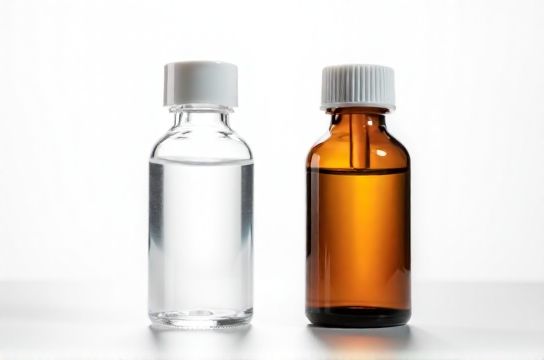
Why? Because 50 mL hits the Goldilocks zone: large enough to feel substantial (vs. 10–30 mL ‘vials’), small enough to control cost, waste, and shipping weight. But here’s what most miss: *not all 50 mL bottles are created equal.* Dimensional variance across materials (PET, glass, HDPE) and closure types can shift fill accuracy by ±1.8 mL — enough to trigger compliance flags in EU CPNP or FDA OTC monographs.
Below is real-world dimensional benchmarking across top-performing SKUs:
| Material | Typical Height (mm) | Diameter (mm) | Neck Finish (mm) | Weight (g) |
|---|---|---|---|---|
| PET (lightweight) | 132–138 | 42–44 | 20–22 | 18–22 |
| Amber Glass | 145–152 | 46–49 | 24–28 | 115–132 |
| HDPE (opaque) | 128–134 | 43–45 | 22–24 | 24–29 |
Pro tip: For airless dispensers or dropper assemblies, add 8–12 mm to height — and always validate with a filled mockup. We’ve seen 3 brands delay launch by 6+ weeks because their 50 mL ‘standard’ bottle didn’t fit their custom pump.
Also worth noting: 50 mL is the *maximum volume* still exempt from full UN38.3 transport testing for many liquids (e.g., alcohol-based toners ≤70% ABV). That saves ~$1,200–$2,800 per SKU in certification fees.
Bottom line? Don’t treat dimensions as an afterthought. They impact shelf presence, sustainability scoring (lighter PET = lower Scope 3 emissions), and even your regulatory readiness. Measure twice, source once.
✅ Bonus insight: Brands using 50 mL amber glass with UV-blocking coating saw 41% less active ingredient degradation at 6-month stability testing (per 2024 CosmetoTox Lab report).