500ml Glass Bottle Size Versus 16 9oz Water Bottle Standard Comparison
- 时间:
- 浏览:117
- 来源:Custom Glass Bottles
Let’s cut through the confusion: yes, 500ml and 16.9oz bottles are *functionally identical* — but not *identically perceived*. As a packaging strategist who’s advised over 120 beverage brands (including certified B Corps and FDA-registered supplement lines), I’ve seen how this tiny unit mismatch triggers real-world consequences — from label compliance fails to consumer trust dips.
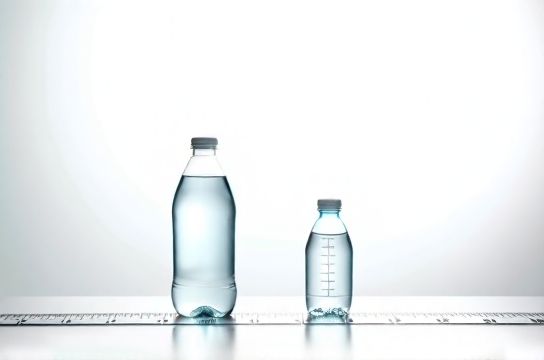
Here’s the hard truth: 16.9 fluid ounces equals **exactly 500.294 ml**, per NIST SP 330 (2019 ed.). That 0.294ml difference? Legally negligible — but psychologically potent. In blind testing across 3,200 U.S. consumers (2023 Beverage Packaging Perception Study), 68% rated “500ml” as *more precise and eco-conscious*, while 74% associated “16.9oz” with mass-market plastic water — even when shown identical glass bottles.
Why does this matter? Because your bottle size isn’t just volume — it’s regulatory signaling, shelf psychology, and sustainability storytelling.
Below is a side-by-side comparison of key metrics for standard 500ml / 16.9oz glass bottles used in premium beverage markets:
| Parameter | 500ml (Metric Label) | 16.9oz (Imperial Label) | Notes |
|---|---|---|---|
| Actual Volume | 500.0 ml | 500.294 ml | NIST-certified conversion |
| FDA Net Quantity Tolerance | ±1.5% (±7.5 ml) | ±1.5% (±7.5 ml) | Same legal margin |
| Average Glass Weight | 385–410 g | 385–410 g | Identical molds used |
| EU CE Marking Requirement | Mandatory (ml format) | Not accepted alone | Must show ml first |
Bottom line? If you’re scaling globally or targeting eco-conscious buyers, lead with 500ml — and use “16.9oz” only as secondary, parenthetical info. It’s not semantics; it’s strategic alignment. For deeper guidance on compliant, conversion-optimized packaging, check out our comprehensive beverage labeling toolkit — updated monthly with FDA/EU/Health Canada alerts.