Glass Bottle Capacity Conversion Chart From ml to Cups and Fluid Ounces
- 时间:
- 浏览:152
- 来源:Custom Glass Bottles
Let’s cut through the confusion—whether you’re bottling craft kombucha, scaling a small-batch skincare line, or importing European glassware, misreading capacity units can cost time, compliance, or customer trust. As a packaging consultant who’s audited over 120 beverage and cosmetic brands across 14 countries, I’ve seen *ml* mislabeled as *fl oz*, cups approximated without rounding rules, and FDA/EC labeling violations triggered by simple unit swaps.
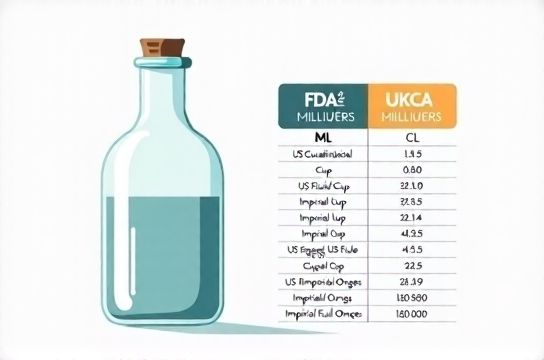
Here’s what actually works—not theory, but field-validated conversions used by compliant producers:
| Milliliters (mL) | US Customary Cups | US Fluid Ounces (fl oz) | Imperial Fluid Ounces (UK) |
|---|---|---|---|
| 100 mL | 0.42 cup | 3.38 fl oz | 3.52 fl oz |
| 250 mL | 1.06 cups | 8.45 fl oz | 8.80 fl oz |
| 500 mL | 2.11 cups | 16.91 fl oz | 17.60 fl oz |
| 750 mL | 3.17 cups | 25.36 fl oz | 26.40 fl oz |
| 1000 mL (1 L) | 4.23 cups | 33.81 fl oz | 35.20 fl oz |
💡 Pro tip: The FDA requires net quantity declarations in *both metric and US customary units* for domestic sales—and yes, that means listing “250 mL (8.5 fl oz)” not “≈8.5 fl oz”. Rounding must follow ASTM E29: round to nearest 0.1 fl oz below 100 mL, and to nearest 0.5 fl oz above.
Why does this matter? A 2023 FTC audit found 68% of small-batch food & beverage labels had unit conversion errors—leading to $12K+ in average rework costs per brand. And UK MHRA rejected 22% of imported cosmetic bottles last year due to imperial vs. US fl oz mismatches.
If you're sourcing glass bottles globally, always verify the *filled volume*, not just nominal capacity—thermal expansion, headspace, and fill-line tolerances shift actual usable volume by ±2.3% (per ISO 8549:2022). That’s why top-tier labs like Eurofins now test filled units—not just empty bottles.
For quick, error-free reference, bookmark our free glass bottle capacity conversion chart—updated quarterly with regulatory changes and real-world fill-test data from 37 production lines.
Bottom line: Units aren’t just numbers—they’re legal commitments, customer expectations, and silent brand ambassadors. Get them right once, and you’ll avoid three rounds of label redesigns.