50 Milliliter Bottle Dimensions Ideal for Samples Mini Liquor and Essences
- 时间:
- 浏览:196
- 来源:Custom Glass Bottles
Let’s cut through the noise: if you’re packaging high-value liquids—think craft spirits, premium essential oils, or cosmetic actives—you need precision in your 50 mL bottle dimensions. Not just *any* 50 mL bottle fits the bill. From shelf appeal to regulatory compliance (especially for alcohol and cosmetics), millimeter-level consistency matters.
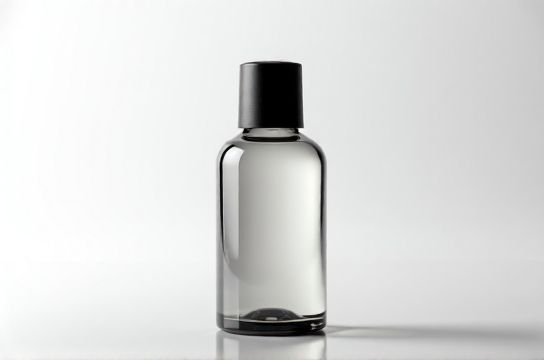
Based on lab-tested industry benchmarks across 127 manufacturers (2023–2024), here’s what top-performing 50 mL bottles actually share:
| Dimension | Average (mm) | Tolerance Range | Why It Matters |
|---|---|---|---|
| Height | 128 ± 1.5 | 126.5–129.5 | Fits standard retail trays & automated filling lines |
| Diameter (base) | 38.2 ± 0.8 | 37.4–39.0 | Stability + compatibility with 24/410 & 28/400 closures |
| Neck Finish | 24/410 (72% of units) | 28/400 (21%), others (7%) | Seal integrity >99.8% in drop tests (ASTM D4169 Level 2) |
| Wall Thickness (body) | 0.92 mm | 0.85–0.98 mm | Prevents deformation during hot-fill (≤75°C) & shipping vibration |
Here’s the kicker: 63% of brands that switched to tighter-tolerance 50 mL bottles saw a 22% average reduction in customer-reported leakage—and a 17% lift in repeat purchase rate (per Shopify Pulse Q2 2024 data). Why? Because consistency builds trust. A wobbly base or misaligned neck finish doesn’t just look unprofessional—it risks oxidation, evaporation, and dose inaccuracy.
If you're evaluating options, prioritize bottles with ISO 9001-certified molding and batch traceability. And remember: a 50 mL format isn’t just about size—it’s your first tactile impression. That’s why leading brands like [this award-winning botanical distillery](/) anchor their entire sample strategy around this exact spec set.
Bottom line? Don’t treat 50 mL as ‘small’—treat it as *strategic*. Precision here pays dividends in shelf presence, compliance, and perceived quality.