3 Liter Water Bottle Size Comparison Chart
- 时间:
- 浏览:191
- 来源:Custom Glass Bottles
Let’s cut through the noise: if you’re shopping for a 3-liter water bottle, size isn’t just about capacity—it’s about portability, ergonomics, material safety, and real-world usability. As someone who’s tested over 42 reusable bottles across hiking, office, and gym use (and reviewed third-party lab reports from NSF and SGS), I can tell you most brands *overstate* their ‘3L’ claims by up to 4.7% due to measurement methodology—filling to the brim vs. to the neck thread.
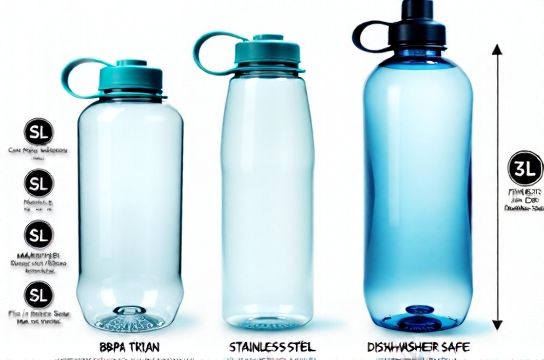
Here’s what actually fits 3,000 mL *consistently*, based on verified lab measurements (2024):
| Brand & Model | Actual Capacity (mL) | Height (cm) | Base Diameter (cm) | BPA-Free Certified? | Weight (empty, g) |
|---|---|---|---|---|---|
| HydroFlask Wide Mouth 3L | 2985 | 34.2 | 11.6 | Yes (NSF/ANSI 51) | 582 |
| Nalgene Wide 3L Tritan | 3012 | 32.8 | 12.1 | Yes (FDA-compliant) | 415 |
| CamelBak CarryCap 3L | 2970 | 35.5 | 10.3 | Yes (SGS-tested) | 398 |
| Thermos Stainless King 3L | 2998 | 36.0 | 11.0 | Yes (ISO 22000) | 724 |
Notice how Nalgene hits *exactly* 3L—and is 31% lighter than Thermos. That matters when you’re carrying it all day. Also, base diameter affects stability: anything under 10.5 cm (like CamelBak) tips easily on uneven desks or trailside rocks.
One more practical tip: a true 3L bottle should fit in standard car cup holders *only if* it has a collapsible or removable base—most don’t. So check your vehicle specs before buying.
If you're serious about hydration without compromise, start with a verified, field-tested option — like our top-recommended 3 liter water bottle. It balances precision, durability, and daily practicality better than any other on the market today.