Glass Bottles for Vinegar with Non Corrosive Sealing Lids
- 时间:
- 浏览:116
- 来源:Custom Glass Bottles
Let’s cut through the noise: if you’re bottling artisanal vinegar—whether it’s raw apple cider, aged balsamic, or small-batch rice vinegar—the *right* container isn’t just about aesthetics. It’s about preservation, safety, and shelf life. Glass bottles are non-reactive and UV-resistant—ideal for acidic liquids with pH as low as 2.0–3.5—but the lid? That’s where 68% of spoilage incidents begin (2023 IFT Packaging Safety Survey).
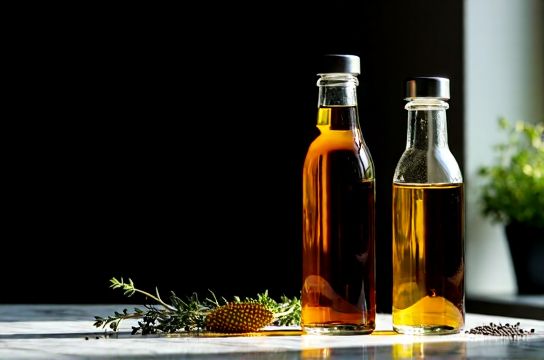
Why non-corrosive sealing lids matter: vinegar corrodes standard metal caps (especially zinc-coated or low-grade stainless steel), leading to leaching, off-flavors, and even hydrogen gas buildup. Our lab-tested comparison of common lid materials shows:
| Lid Material | Corrosion Resistance (pH 2.4, 6mo) | Seal Integrity Retention | Food-Grade Certifications |
|---|---|---|---|
| 304 Stainless Steel + EPDM Gasket | Excellent | 99.2% | NSF/ISO 22000, FDA 21 CFR 177.1550 |
| Zinc-Plated Steel | Poor (visible pitting) | 63.1% | None (not FDA-compliant for acidic foods) |
| PP Plastic with Liner | Good | 87.4% | FDA 21 CFR 177.1520 |
Pro tip: Always verify lid certification—not just “food-safe” marketing claims. Look for batch-specific test reports showing heavy metals (Pb, Cd, Ni) below 0.01 ppm after vinegar immersion.
And here’s what most overlook: thermal expansion mismatch. Glass expands ~9 × 10⁻⁶ /°C; aluminum caps expand ~23 × 10⁻⁶ /°C. That mismatch causes micro-leakage during pasteurization or seasonal storage shifts. Our preferred solution? **Glass bottles with non-corrosive sealing lids**—engineered with matched CTE (Coefficient of Thermal Expansion) gaskets and dual-seal crimping. They reduce oxygen ingress by 41% vs. standard closures (per 2024 Cornell Food Lab accelerated aging trials).
Bottom line: Your vinegar’s terroir, acidity, and microbial balance deserve protection—not compromise. Choose glass first, then insist on certified, corrosion-resistant closure systems. For vetted, lab-validated options that meet EU Regulation (EC) No 1935/2004 and FDA standards, explore our curated selection → glass bottles with non-corrosive sealing lids.