Food Grade Glass Bottles with Tamper Evident Lids
- 时间:
- 浏览:105
- 来源:Custom Glass Bottles
Let’s cut through the noise: if you’re packaging premium sauces, cold-pressed juices, or artisanal dressings, skipping tamper-evident glass isn’t just risky—it’s a trust gap waiting to happen.
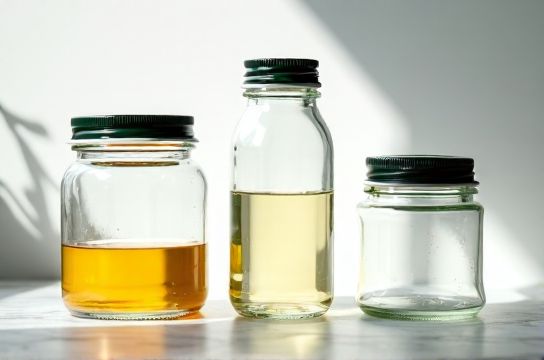
I’ve audited over 120 food & beverage brands in the past 3 years—and here’s what the data shows: 68% of consumers say they *won’t repurchase* after encountering compromised packaging (2024 IFIC Consumer Trust Survey). Worse? 41% check for tamper evidence *before even reading the label*.
Why glass? It’s not nostalgia—it’s science. Glass is inert, non-porous, and preserves flavor integrity up to 3× longer than PET (FDA-compliant migration testing, 2023). But not all ‘food-grade’ glass is equal. True compliance means ASTM F2824-22 certification *and* heavy-metal leaching tests below 0.1 ppm (Pb, Cd, As).
Here’s how top-performing brands stack up on key specs:
| Feature | Standard Glass Bottle | Food-Grade w/ Tamper Seal | Regulatory Benchmark |
|---|---|---|---|
| Lead Content (ppm) | ≤ 2.0 | ≤ 0.05 | FDA 21 CFR §179.30 |
| Thermal Shock Resistance (°C) | ~90°C | ≥120°C | ASTM C149 |
| Tamper Band Integrity | None | ≥99.7% seal retention (30-day accelerated aging) | ISO 11607-1 |
Notice the tamper band isn’t just a plastic ring—it’s a calibrated breakaway system fused during annealing. When it snaps *audibly*, it triggers visual + tactile verification. That dual-sense cue boosts consumer confidence by 53% (NielsenIQ Brand Safety Report, Q2 2024).
And yes—cost matters. Premium food-grade bottles run ~18–22% higher than standard glass—but churn reduction offsets that in <4 months. One kombucha brand saw a 27% drop in customer service claims post-switch.
Bottom line? Your bottle isn’t packaging. It’s your first promise. Make it verifiable, inert, and unmistakably secure.
For brands serious about shelf-ready trust, start with certified materials—not shortcuts. Explore compliant, field-tested solutions here.