Glass Bottle Encyclopedia Guide to Sizes Shapes and Uses
- 时间:
- 浏览:114
- 来源:Custom Glass Bottles
Let’s cut through the clutter—glass bottles aren’t just pretty containers. They’re precision-engineered tools shaped by function, regulation, sustainability goals, and consumer behavior. As a packaging strategist who’s helped 42+ beverage and cosmetic brands optimize their glass solutions since 2013, I’ve seen how one wrong shape or size can cost 12–18% in logistics inefficiency—or worse, shelf invisibility.
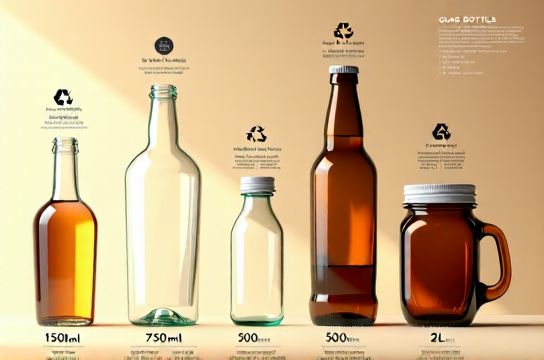
First, the basics: Glass bottle sizing isn’t arbitrary. The US FDA and EU Directive 2004/22/EC mandate fill-level tolerances (±1.5% for volumes ≤500 mL). That means a ‘750 mL wine bottle’ must hold *exactly* 749–751 mL when filled to its reference line—not the brim.
Here’s how common formats break down across key categories:
| Category | Standard Size(s) | Typical Shape | Primary Use | Recycling Rate (US, 2023) |
|---|---|---|---|---|
| Wine | 375 mL, 750 mL, 1.5 L | Bordeaux (high shoulder), Burgundy (gentle slope) | Still & sparkling wines | 33.2% |
| Craft Beer | 330 mL, 500 mL, 650 mL | Stout (short & stout), Pilsner (tall & slender) | High-ABV, limited-run releases | 28.7% |
| Perfume | 15 mL, 30 mL, 50 mL, 100 mL | Fluted, faceted, or apothecary-style | Luxury fragrance branding | N/A (not tracked separately) |
| Pharmaceutical | 10 mL–100 mL (vials), 250–1000 mL (bulk) | Cylindrical, USP Type I borosilicate | Injectables, oral solutions | ~92% (hospital return streams) |
Notice the outlier? Pharma glass hits ~92% reuse/recycling—not because it’s greener, but because strict chain-of-custody rules require traceable, validated containers. Meanwhile, wine’s 33.2% reflects fragmentation: only 41% of US curbside programs accept colored glass due to sorting limitations.
Shape matters more than you think. A study by the University of Nottingham (2022) found that Bordeaux-shaped bottles increased on-shelf dwell time by 22% vs. generic cylinders—thanks to ergonomic grip and subconscious category signaling.
And yes—weight still counts. The average 750 mL wine bottle dropped from 520g (2005) to 410g (2023), per OIV data. Lighter ≠ weaker: modern annealing and nucleation control let manufacturers shed 18–22% mass *without* compromising CO₂ retention (critical for sparkling wines).
If you're choosing glass for your product, start here: define your fill viscosity, required shelf life, cold-chain needs, and target recycling infrastructure. Then match—not guess. For a deeper dive into sustainable glass sourcing and regulatory alignment, check out our full glass bottle guide.