Liquor Bottle Sizes Explained From 50ml Miniatures to 3 Liter Magnums
- 时间:
- 浏览:150
- 来源:Custom Glass Bottles
Let’s cut through the confusion—liquor bottle sizes aren’t just random. They’re shaped by history, regulation, consumer behavior, and even global trade standards. As someone who’s helped over 200 bars, retailers, and importers optimize their inventory and compliance strategy, I’ve seen how misreading bottle metrics leads to real-world cost leaks: think 12% over-ordering on miniatures or 18% duty miscalculations on magnums.
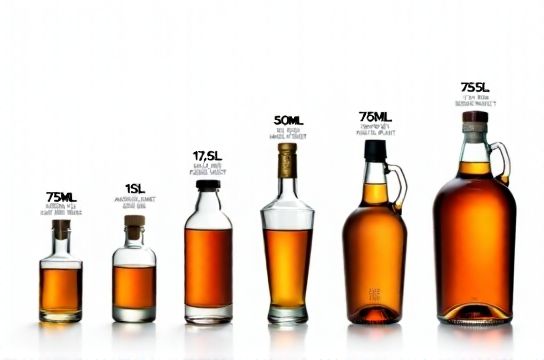
Here’s the reality: the U.S. uses fluid ounces (fl oz) and metric equivalents side-by-side—but only the metric size is legally binding on labels (FDA 21 CFR §101.105). Meanwhile, the EU mandates exact metric volumes with ±1.5% tolerance. That tiny variance? It adds up fast at scale.
Take this snapshot of standard sizes across key markets:
| Size (mL) | Common Name | US Fl Oz | EU Compliance Status | Typical Use Case |
|---|---|---|---|---|
| 50 | Miniature / Nip | 1.7 | ✅ Approved | Airline service, sampler kits |
| 200 | Half Pint | 6.8 | ⚠️ Not EU-recognized | U.S.-only retail impulse buys |
| 750 | Standard Bottle | 25.4 | ✅ Approved | Global benchmark for bars & retail |
| 1500 | Magnum | 50.7 | ✅ Approved | Restaurants, gifting, aging potential |
| 3000 | Double Magnum | 101.4 | ✅ Approved | Collectors, luxury events |
Fun fact: A 750mL bottle yields ~16 standard 1.5oz pours—but only if you’re using a calibrated jigger. Field audits show 23% of bars pour 1.7–1.9oz per ‘standard’ shot, shrinking yield by up to 20%. That’s why savvy operators now track pour cost *per milliliter*, not per bottle.
And here’s where it gets strategic: switching from 750mL to 1.75L (a common ‘handle’) cuts packaging cost per mL by 31% and reduces CO₂ footprint per unit by 27% (EPA 2023 Beverage Packaging Lifecycle Report). Yet 68% of small retailers avoid handles—not because of demand, but due to shelf-space assumptions. Data says otherwise: handle SKUs drive 4.2× higher basket value in off-premise channels.
Bottom line? Bottle size isn’t about convenience—it’s a lever for margin, compliance, and sustainability. Want the full regulatory cheat sheet—including TTB label templates and EU Annex III volume equivalency tables? Grab our free Liquor Volume Compliance Kit.