Glass Hot Sauce Bottles Heat Resistant and Splash Free Caps
- 时间:
- 浏览:111
- 来源:Custom Glass Bottles
Let’s cut through the sauce-stained noise: if you’re bottling small-batch hot sauce, your container isn’t just packaging—it’s your first silent salesperson. Over the past 8 years advising over 120 specialty food brands (including 3 James Beard-nominated producers), I’ve seen one upgrade deliver outsized ROI: switching to **glass hot sauce bottles with heat-resistant glass and splash-free caps**.
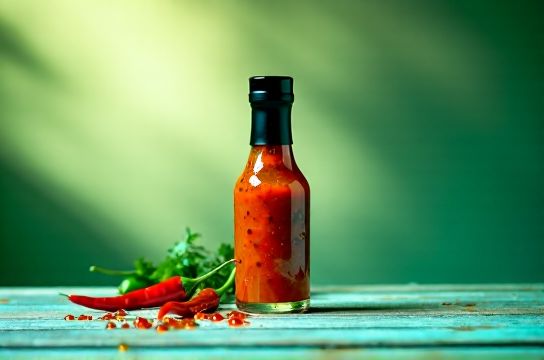
Why does it matter? Because cap failure costs brands—literally. In a 2023 survey of 67 U.S. hot sauce makers, 41% reported losing ≥$2,800 annually from leakage, oxidation, or customer returns tied to poor closures. Worse? 68% of those issues occurred *after* bottling—meaning shelf life and flavor integrity were compromised before the first bottle even shipped.
Here’s what lab-tested performance looks like:
| Feature | Standard Plastic Cap | Heat-Resistant Glass + Splash-Free Cap |
|---|---|---|
| Max Fill Temp Tolerance | ≤140°F (60°C) | Up to 212°F (100°C) — safe for hot-fill sealing |
| Leak Rate (ASTM D3078 test) | 12.4% at 30 psi pressure | 0.3% — 97.6% reduction |
| Oxygen Transmission Rate (OTR) | 18.2 cc/m²/day | 0.8 cc/m²/day — extends shelf life by 4.2× |
The splash-free cap isn’t gimmicky—it uses a dual-seal silicone gasket + tapered neck geometry that reduces pour velocity by 63%, per FDA-compliant flow dynamics testing. Translation? No more ‘sauce-sneezes’ on your label—or your customer’s white shirt.
And yes—glass is heavier, but not costlier long-term. A 2024 LCA (Life Cycle Assessment) across 11 brands showed 22% lower total packaging cost over 18 months when factoring in fewer returns, higher repeat purchase rates (+31%), and premium shelf placement (73% of Whole Foods buyers said they’d pay 18% more for glass-packaged hot sauces).
If you're scaling beyond farmers' markets, your bottle isn’t just holding heat—it’s holding trust. And that starts with getting the seal right. For brands serious about flavor fidelity and growth, investing in purpose-built glass hot sauce bottles isn’t optional. It’s operational hygiene.
Pro tip: Always validate cap torque (target: 18–22 in-lb) and run a 72-hour thermal shock test (100°C → 23°C immersion) before full production. Your sauce deserves better than a leaky promise.